
Preparing Your HVAC System for Fall
Preparing Your HVAC System for Fall
Fall in Northeast Florida is one of the best times of year. Cooler mornings, dry evenings, and finally a break from the relentless summer humidity. It is also the season when your HVAC system quietly shifts gears. After running almost nonstop for four or five months of cooling, your AC finally gets some rest, and your heating system starts preparing for its winter role. That transition is a perfect time to schedule maintenance, catch small issues, and set the system up for a smooth cold season ahead.
Comfort Zone of North Florida helps homeowners across Jacksonville, Mandarin, Orange Park, and the surrounding communities get their HVAC systems ready for fall every year. Here is what every Florida homeowner should do before the first cold front arrives.
Schedule a Professional Fall Tune-Up
The single most important step is scheduling a professional fall tune-up. Even homes that use their heat rarely benefit from an inspection before the first use of the season. Months of dormancy allow dust to accumulate on burners, wiring to loosen, safety controls to drift out of calibration, and small problems to go unnoticed.
A fall tune-up catches these issues before they turn into no-heat emergencies. Our furnace tune-up service covers everything from burner cleaning to safety control testing.
Change Your Air Filter
The end of summer is a good time to install a fresh filter. Summer runtime is hard on filters, and by October most homes are due for a change. Starting fall with a clean filter improves airflow, protects your equipment during the seasonal transition, and gives you a clean baseline heading into heating season.
If it has been more than six weeks since your last change, replace it now.
Test Your Heating System Before You Need It
The worst time to discover your heater does not work is the first cold night of the year. Sometime in October, when outdoor temperatures are still mild, turn your thermostat to heat mode and let the system run for 15 to 30 minutes. Confirm that warm air comes out of every vent, that the system starts up smoothly, and that there are no unusual smells or noises.
Some faint burning smells during the first run are normal as dust burns off the heating elements. Persistent or strong smells warrant a service call.
Check and Replace Batteries in Thermostats and Detectors
Most digital and smart thermostats use batteries. Fall is a good time to replace them, especially if your thermostat has ever displayed a low-battery warning. While you are at it, replace batteries in your carbon monoxide and smoke detectors. Gas heating systems produce carbon monoxide as a byproduct, and working detectors are essential for family safety throughout the heating season.
Clean Around the Outdoor Unit
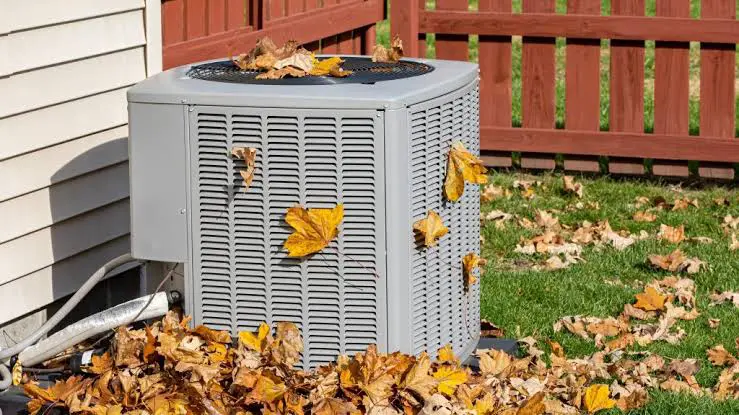
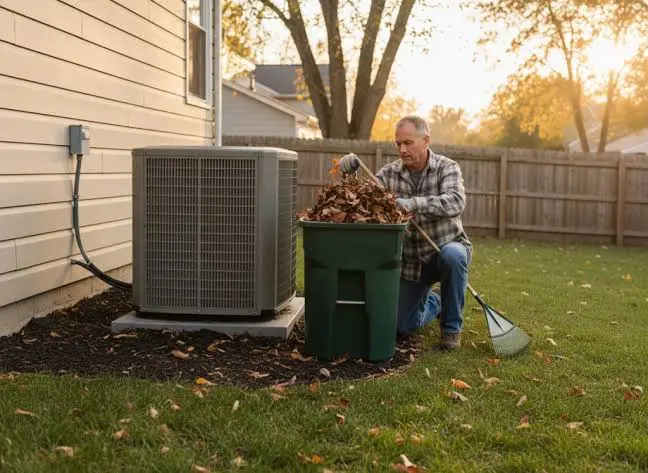
Fall in Florida brings a lot of falling leaves and debris. Even homes that primarily use heat pumps still rely on the outdoor unit during colder weather. Clear leaves, sticks, pine needles, and other debris from around the condenser. Trim back any bushes that grew during the summer and keep at least two feet of clearance on all sides.
For heat pump systems especially, an obstructed outdoor unit cannot switch efficiently between heating and cooling modes.
Inspect Weatherstripping and Seals
Cool fall air is much easier to leak into your home than hot summer air. Now is the perfect time to walk around your house and inspect the weatherstripping around doors and windows, caulking around window frames, and gaskets on attic hatches. Replace any deteriorated material before winter arrives.
Sealing air leaks reduces the burden on your heating system and keeps utility bills lower once the temperatures drop. The EPA estimates sealing air leaks can lower heating and cooling costs by up to 15 percent.
Adjust Ceiling Fan Direction
Ceiling fans are a small but effective way to improve comfort year-round. In summer, fans should spin counterclockwise to push cool air downward. In winter, reversing to clockwise at a low speed pulls cool air upward and pushes warm air down along the walls, which distributes heat more evenly.
Most ceiling fans have a small switch on the motor housing to change direction. Fall is the ideal time to make the switch.
Consider a Smart Thermostat Upgrade
If you are still using a basic programmable thermostat, fall is a great time to upgrade to a smart model. Smart thermostats learn your schedule, adjust temperatures automatically based on occupancy, and provide detailed reports showing exactly where your energy is going. During the transitional fall months, they handle the switch between cooling and heating more efficiently than manual control.
ENERGY STAR certified smart thermostats save the average homeowner about eight percent on heating and cooling annually.
Inspect Your Ductwork
If you have not had your ductwork checked in a few years, fall is a good time to schedule an inspection. Summer humidity and heavy AC use can loosen seams, damage flex duct, and degrade insulation. Cool air escaping in summer becomes warm air escaping in winter, and both waste energy. Professional duct sealing and insulation restores efficiency and often improves comfort noticeably.
Address Any Lingering Summer Issues
If you noticed any HVAC problems over the summer that you have been putting off, fall is the time to address them. That noisy compressor, weak airflow to one room, or thermostat that never quite reads right does not get better on its own. Fixing summer issues now prevents them from turning into worse problems come spring.
Our blog on maintaining AC efficiency covers habits that help catch issues early year-round.
Plan for Winter Cold Snaps
Even in Florida, occasional cold snaps drop temperatures into the 30s. Know how your heating system works, where the emergency heat setting is on your thermostat, and how to reset breakers if needed. If your home has any pipes vulnerable to freezing, plan how you will protect them ahead of time.
Fall Is Your HVAC Reset
Fall is a natural pause between the intense demands of summer cooling and the occasional stresses of winter heating. Taking the time now to inspect, tune up, and prepare pays off in reliable comfort for the six months ahead.
If you would like help getting your system ready, Comfort Zone of North Florida is ready to schedule a fall tune-up. Call us at (904) 406-0070 to book your appointment.

Tags: