What Hurricane Season Does to Your HVAC System
What Hurricane Season Does to Your HVAC System
Everyone in Northeast Florida knows the hurricane season drill. Stock the pantry, check the generator, bring in anything that could become a projectile. What a lot of homeowners do not think about until it is too late is the HVAC system sitting outside in the yard, taking the full brunt of every storm that rolls through. Between high winds, flooding, power surges, and the salt haze that moves inland with tropical systems, hurricane season takes a real toll on AC equipment.
Comfort Zone of North Florida sees the effects of hurricane season every year, and our page on essential HVAC tips for coastal homes in Yulee and Fernandina Beach covers some of the coastal-specific concerns. Here is what hurricane season actually does to your system and how to stay ahead of it.
Wind and Debris Damage
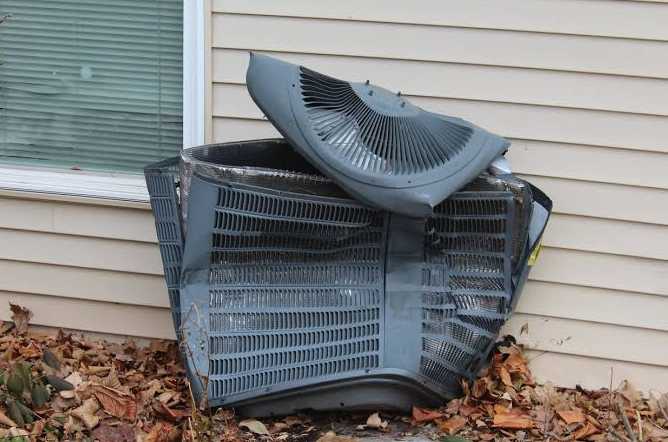
High winds during a storm turn ordinary yard debris into projectiles. Pine branches, roof shingles, patio furniture, and anything else loose nearby can slam into your outdoor condenser at damaging speeds. The coil fins are especially vulnerable because they are thin aluminum designed for airflow, not impact.
Bent fins reduce the system’s ability to release heat, which forces it to work harder every time it runs after the storm. In worse cases, flying debris can crack the cabinet, damage the fan blades, or dent the top panel enough to prevent the fan from spinning freely.
Flooding
Florida flood water is nasty stuff. Salt, sewage, chemicals, and biological matter all mix into the water that pools around homes during tropical systems. When your outdoor condenser sits in standing water, that water finds its way into every seal, electrical connection, and internal component. Even if the system seems to run fine after things dry out, corrosion keeps working from the inside, and failures often show up months later.
Air handlers in garages, utility closets, or crawl spaces are at the same risk if flood water reaches them. Water in the blower, the electrical panel, or the insulation inside the cabinet usually means replacement rather than repair.
Power Surges
Lightning does not have to hit your house to fry your HVAC electronics. A nearby strike or a surge from the grid when power comes back on after an outage can take out your compressor, control board, capacitors, or thermostat. Sometimes the damage is immediate. Other times the system limps along for weeks before something fails.
A whole-home surge protector or a dedicated HVAC surge protector is one of the smartest investments a Northeast Florida homeowner can make, and it is cheap compared to a fried compressor.
Salt Spray From Tropical Systems
Tropical storms and hurricanes push salt-laden air miles inland. Even homes in Mandarin or Middleburg can end up with noticeable salt residue on their outdoor unit after a storm. Salt accelerates corrosion on coil fins, electrical contacts, mounting hardware, and refrigerant line connections.
Rinsing the outdoor unit gently with fresh water within a day or two of any tropical system helps a lot. If you can see visible salt buildup, do not wait.
Power Outages and Restart Stress
Even without direct damage, the pattern of long outages and sudden restarts stresses HVAC equipment. When power comes back on and the thermostat tries to catch up on 10 or 20 degrees of heat gain, the system runs at maximum capacity for hours. That is when weak capacitors fail, aging compressors give out, and small problems become big ones.
Spring system check-ups that catch worn components before hurricane season help avoid these restart failures. Our page on why you should schedule an annual HVAC inspection walks through what a proper inspection catches.
Before the Storm Checklist
A few practical steps to take when a storm is forecast:
- Clear anything loose from the yard that could become a projectile
- Trim tree branches that overhang the outdoor unit
- Secure the condenser with hurricane straps if your area is prone to major storms
- Consider covering the unit with a secured tarp if debris is a concern (but remove it before running the system again)
- Turn off power to the HVAC at the breaker if flooding is likely
- Verify your surge protection is in place
After the Storm Checklist
Once the storm has passed and conditions are safe:
- Walk around the outdoor unit and check for visible damage
- Look for debris in the fan cage, on top of the unit, or against the coil
- Rinse the outdoor unit with fresh water to remove salt spray
- If flooding reached the unit, do not turn it back on until a professional inspects it
- Check the air handler area indoors for water intrusion
- Watch for warning signs over the following weeks: weaker cooling, strange noises, higher bills
When to Call
If your system took a direct hit, flooded, or lost power during a storm and is acting strange since, do not keep running it. Give Comfort Zone of North Florida a call at [CallRail dynamic number] or use the contact form on the site. We will come assess the damage and give you an honest read on repair versus replacement options.

Tags: