
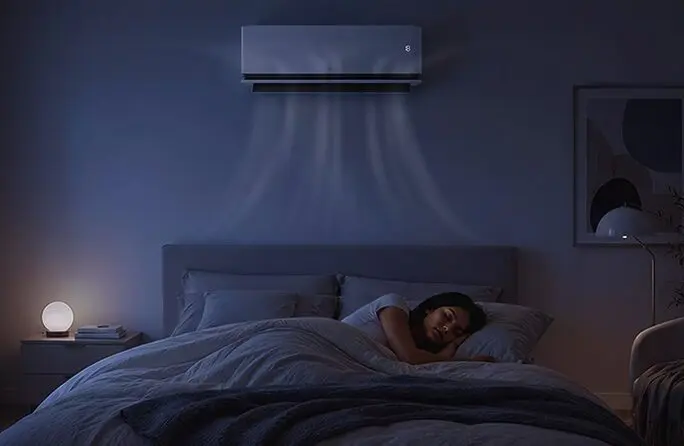
How Do Jacksonville Homeowners Determine the Right AC Horsepower for Bedroom Comfort?
Strategic Equipment Sizing Controls Indoor Moisture and Temperature
Selecting cooling equipment requires evaluating the specific volume and insulation properties of a sleeping space. Standard residential bedrooms across North Florida absorb heat from exterior walls, attics, and large window spans. Placing a unit with insufficient capacity into a room creates continuous operational strain. The motor runs constantly without removing moisture, leaving indoor air damp and heavy. Conversely, an oversized cooling unit drops the temperature too quickly, cycling off before completing a dehumidification phase. This rapid cycling wears down electrical components, elevates monthly utility expenses, and creates inconsistent temperature shifts that disrupt restful sleep. Calculating the exact cooling load relies on square footage, ceiling height, and local climate patterns. Securing proper airflow starts with a professional residential air conditioning installation that accounts for thermal gains across every wall.
What Specific Items Should Homeowners Check Before Purchasing an AC Unit Online?
Purchasing cooling units online or selecting new equipment requires systematically verifying room conditions and system parameters. Skipping these critical checks leads to buying mismatched machinery that performs poorly or fails to install altogether. Before placing an order or finalizing an equipment selection, verify these core factors:
- Calculate total thermal load: Measure room square footage, ceiling height, and window surface area. Sun exposure on south-facing or west-facing walls significantly increases the required cooling capacity beyond standard sizing charts.
- Evaluate insulation and air leakage: Inspect window seals, exterior wall insulation, and attic barriers. Poor insulation allows heat infiltration, requiring higher horsepower output to maintain set temperatures.
- Verify electrical infrastructure: Check the main service panel voltage, breaker capacity, dedicated circuit wiring, and safety disconnects to confirm support for new cooling machinery.
- Determine exact physical clearances: Measure doorway openings, hallway turns, wall mounting space, and outdoor pad space to guarantee physical access for installation equipment.
- Assess existing duct integrity: Inspect existing ductwork networks for air leaks, structural collapses, or restriction points that restrict airflow and reduce cooling output.
Partnering with a recognized AC installation company ensures structural safety, proper line-set sizing, and full manufacturer compliance before any physical equipment arrives on site.
Where Should an Air Conditioner Be Installed in a Bedroom to Maximize Airflow and Comfort?
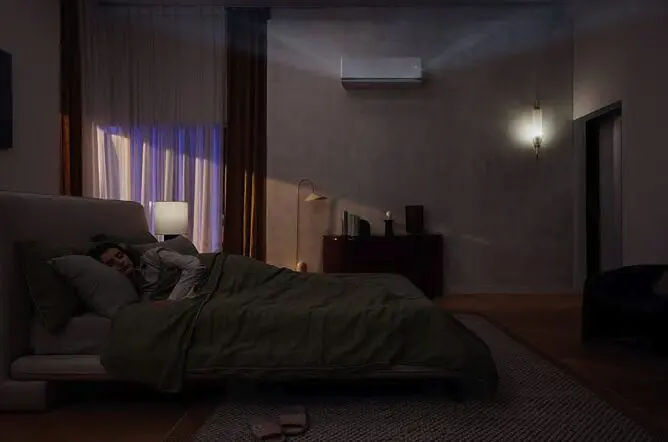
Positioning an indoor cooling component demands careful evaluation of room geometry, air circulation paths, and direct sunlight exposure. Installing an air handler directly above a bed frame subjects occupants to harsh, uncomfortable drafts during nighttime cycles. Placing a unit opposite a main window forces the system to work harder against direct solar heat gain, reducing overall thermal balance. Wall placement must support unhindered airflow across the entire floor plan while maintaining sufficient clearance for routine servicing and filter updates. Mounting equipment on an interior wall allows balanced distribution of conditioned air, keeping temperature gradients stable throughout the day. Jacksonville homes with west-facing windows require additional capacity adjustments to offset intense afternoon heat loads. When evaluating structural conditions and mounting locations, consulting local AC installers prevents structural blockages and optimizes system airflow.
Why Is System Type Selection Critical for Long-Term Bedroom Cooling Performance?
Matching system architecture to home construction dictates overall energy consumption, noise levels, and maintenance needs. Central cooling systems deliver consistent climate control across multiple rooms using concealed ductwork networks, keeping mechanical sound completely outside the sleeping environment. Homes lacking existing duct infrastructure benefit from high-efficiency ductless mini-split units, which allow targeted temperature adjustments in individual rooms without extensive wall alterations. Variable-speed inverter systems continuously adjust output to match real-time cooling requirements, maintaining precise temperatures with minimal power consumption. Selecting a lower-grade unit or incorrect configuration leads to short cycles, inadequate filtration, and premature system breakdown.
How Does Professional Load Calculation Prevent Future Mechanical Failures?
Accurate cooling system performance relies on standardized calculations that account for every thermal factor within a home. Manual J load calculations analyze insulation values, roof reflectance, window shading, human occupancy, and regional humidity metrics. Jacksonville experiences high humidity levels throughout the year, meaning sensible heat removal must balance against latent moisture extraction. Inaccurate load estimates lead to continuous mechanical strain, frozen evaporator coils, clogged condensate lines, and unexpected operational failures during peak summer heat. Trained HVAC specialists evaluate duct integrity, return-air capacity, and airflow resistance to verify that new installations operate at peak efficiency. Relying on professional air conditioner installation services guarantees system longevity and consistent climate performance across every season.
Comfort Zone of North Florida Inc. evaluates, sizes, and sets up residential cooling systems across Jacksonville homes. Selecting proper mechanical equipment requires careful consideration of structural layout, thermal loads, and electrical capacity to keep indoor environments healthy and comfortable. Prevent performance shortfalls, manage power consumption, and protect structural components over the life of the system today!

Tags: