
Best Practices for Maintaining AC Efficiency
Best Practices for Maintaining AC Efficiency
A well-maintained air conditioner uses less energy, lasts longer, runs quieter, and keeps your home more comfortable than a neglected one. In Florida, where AC systems often run eight or nine months out of the year, efficiency is not just nice to have. It is the difference between manageable energy bills and shocking ones. The good news is that maintaining AC efficiency does not require expensive upgrades or constant attention. A few consistent habits and one or two professional visits a year will keep your system performing at its best.
At Comfort Zone of North Florida, we help homeowners across Jacksonville, Yulee, Ponte Vedra, and the surrounding areas get the most out of their HVAC investment. Here are the best practices every Florida homeowner should follow.
Change Your Air Filter on a Set Schedule
The single most impactful thing you can do for AC efficiency is change the filter regularly. A clogged filter restricts airflow, forces the blower to work harder, and reduces overall system performance. For most Florida homes, standard one-inch filters should be replaced every 30 days during heavy AC use, while pleated and high-efficiency filters can go 60 to 90 days. Homes with pets, allergies, or smokers should err on the shorter side. Our guide on when to replace your HVAC filter walks through the details for every type of filter.
Set a reminder on your phone, mark your calendar, or buy filters in bulk so you always have one ready.
Schedule Annual Professional Maintenance
A professional tune-up once a year is essential for maintaining efficiency. During a visit, your technician will clean the coils, check refrigerant levels, calibrate the thermostat, test electrical components, inspect the condensate drain, and identify small issues before they grow into expensive repairs. A well-maintained AC can use up to 15 percent less energy than a neglected one.
The best time to schedule maintenance in Florida is spring, before the worst of the summer heat arrives and before service schedules fill up.
Keep the Outdoor Condenser Unit Clean and Clear
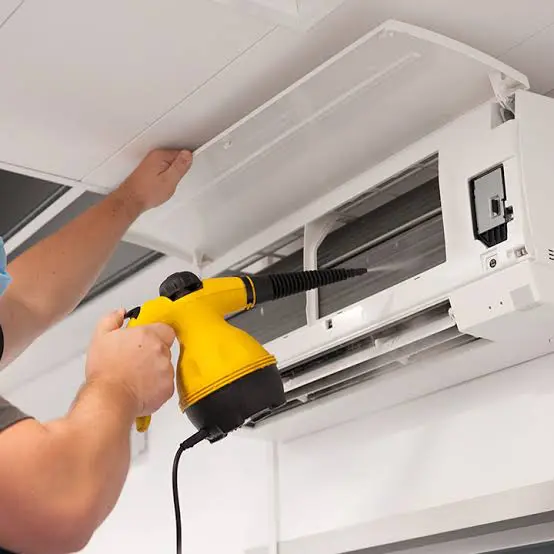
Your outdoor condenser needs proper airflow to release heat from your home. When grass clippings, leaves, dirt, or vegetation block the unit, efficiency drops fast. Walk around your condenser regularly and clear at least two feet of space on all sides. Gently rinse the coil with a garden hose every few months to remove pollen, salt, and dust. Avoid using a pressure washer, which can damage the delicate fins.
For coastal homes especially, regular cleaning is one of the most effective ways to protect efficiency and prevent premature corrosion.
Use Your Thermostat Strategically
Setting your thermostat just a few degrees higher in summer can save you significant money without sacrificing comfort. The Department of Energy recommends 78 degrees when home and warmer when away. Programmable and smart thermostats make this effortless. They learn your schedule, adjust automatically when no one is home, and provide energy reports that show you exactly where your usage is coming from.
According to ENERGY STAR, smart thermostats can save the average household about eight percent on heating and cooling annually.
Seal Leaks Around Doors, Windows, and Ductwork
Cool air escaping through gaps, cracks, and leaky ducts is one of the biggest hidden drains on AC efficiency. Common culprits include weatherstripping around doors and windows, attic hatches, electrical outlets on exterior walls, recessed lighting fixtures, and joints in the ductwork. Caulking, weatherstripping, and outlet gaskets are inexpensive and easy to install. For ductwork, professional duct sealing is often the highest-return improvement a Florida homeowner can make.
The EPA estimates that sealing air leaks and ducts can lower cooling costs by up to 15 percent.
Run Ceiling Fans in Occupied Rooms
Ceiling fans do not cool the air, but they make you feel cooler by moving air across your skin. Used with your AC, they let you raise the thermostat several degrees without losing comfort. Just remember to turn fans off when you leave the room. Running fans in empty rooms wastes electricity without any benefit.
In summer, set fans to spin counterclockwise to push cool air downward.
Use Window Treatments to Reduce Heat Gain
In Florida, direct sunlight can dramatically raise indoor temperatures. Closing blinds, drapes, or shades during the hottest part of the day keeps that heat outside where it belongs. For long-term savings, solar window film and cellular shades both block significant solar gain while still letting in natural light.
West and south-facing windows benefit most from this kind of attention.
Insulate Your Attic Properly
In Florida, the attic is the single largest source of heat gain in most homes. Without sufficient insulation, attic temperatures can soar above 130 degrees in summer, and that heat radiates straight down into your living space. The Department of Energy recommends R-30 to R-49 of attic insulation for Florida homes. If your insulation looks thin, compressed, or uneven, adding blown-in insulation is one of the most cost-effective upgrades you can make.
Address Humidity Levels
Florida humidity does more than just feel uncomfortable. It forces your AC to work harder to maintain the same temperature, because moist air feels warmer than dry air. A properly sized AC paired with a whole-home dehumidifier delivers better comfort at higher thermostat settings, which translates directly into lower energy use. Our blog on Florida humidity and HVAC performance goes deeper into how moisture and efficiency are connected.
Watch for Warning Signs Early
Catching small problems before they become big ones is one of the most underrated efficiency strategies. Pay attention if you notice longer cooling cycles, weak airflow, water around the indoor unit, strange noises, or unusual smells. Most issues are inexpensive to fix when caught early and expensive to fix when ignored.
Replace Aging Equipment When the Time Comes
If your AC is more than 12 to 15 years old, even perfect maintenance will not match the efficiency of a modern high-SEER system. Newer equipment can cut cooling costs by 20 to 40 percent depending on what you are replacing. If repair bills are climbing or your bills keep rising despite consistent care, it may be time to talk through your replacement options.
Make Efficiency a Habit
Maintaining AC efficiency does not require constant work. It just requires consistency. With regular filter changes, an annual professional tune-up, smart thermostat habits, and attention to the basics, your AC will reward you with lower bills, fewer breakdowns, and reliable comfort for years to come. Call Comfort Zone of North Florida at (904) 406-0070 to schedule your next service.

Tags: