
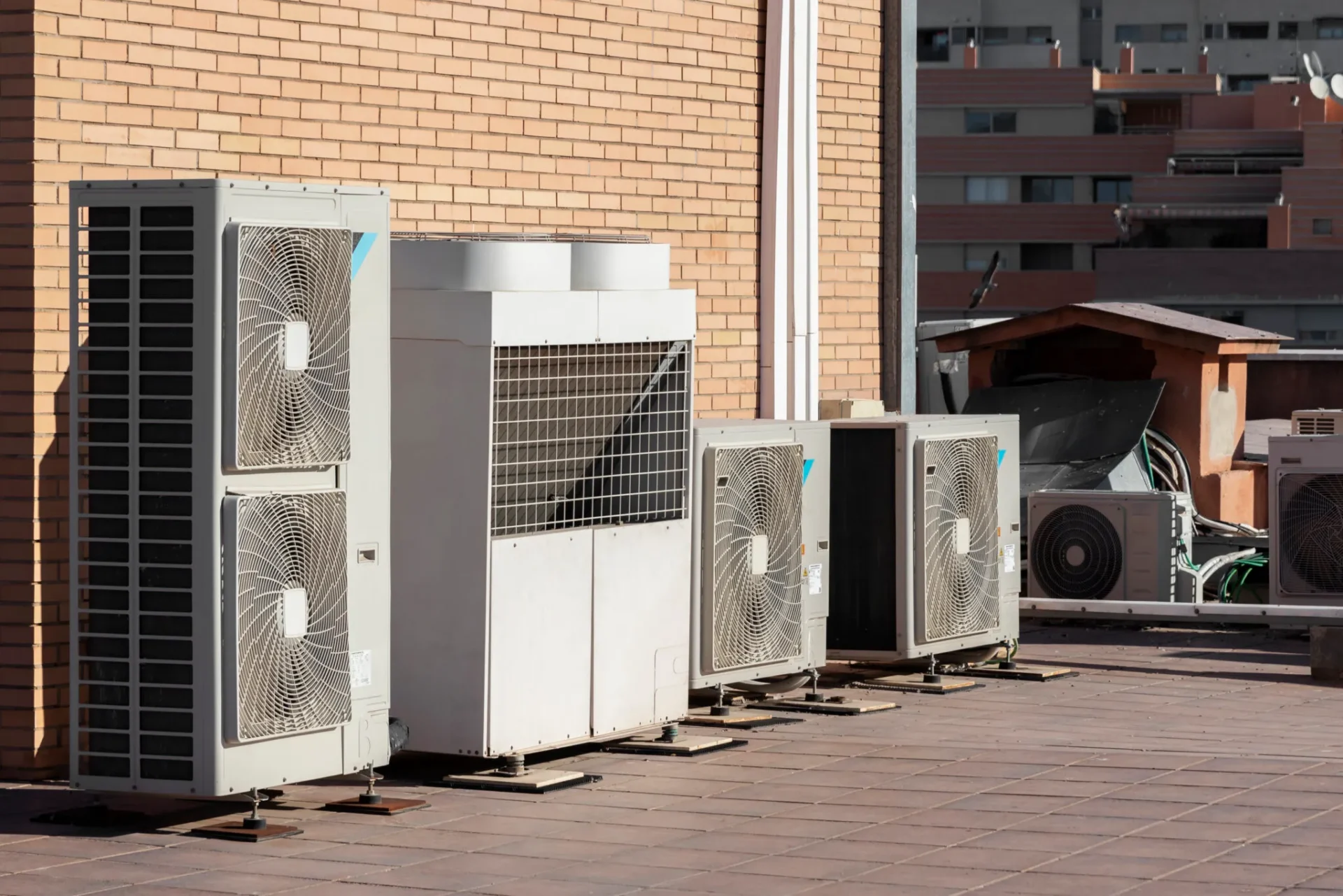
How Florida Humidity Impacts HVAC Performance
How Florida Humidity Impacts HVAC Performance
Florida residents joke that the state has two seasons: warm and warmer. What we sometimes forget is that the humidity changes everything. Indoor and outdoor humidity in Northeast Florida often hovers between 70 and 90 percent for months on end, and that constant moisture has a profound impact on how your HVAC system performs. Understanding the relationship between humidity and HVAC efficiency is one of the most important things a Florida homeowner can do to protect comfort, control costs, and extend the life of their equipment.
Comfort Zone of North Florida works with homeowners across the region to manage moisture effectively and keep HVAC systems running at their best. Here is what you need to know.
Why Humidity Matters as Much as Temperature
When most people think about cooling, they think only about temperature. In reality, your air conditioner is doing two jobs every time it runs. It cools the air, and it removes moisture. Both jobs are equally important to comfort. A room at 76 degrees and 45 percent humidity feels far more comfortable than the same room at 72 degrees and 70 percent humidity. The lower humidity actually lets you raise the thermostat without sacrificing comfort, which translates directly into energy savings.
If humidity is high inside your home, your AC has to work harder and longer to make the air feel cool, regardless of the temperature reading.
How Your AC Removes Humidity
As warm air passes over the cold evaporator coil inside your air handler, water vapor in the air condenses on the coil surface. That moisture then drips into the condensate pan and drains away. The longer your AC runs, the more moisture it removes. This is why short, frequent cycles often leave a home feeling clammy even at the right temperature. The system simply does not run long enough to pull water out of the air effectively.
This is one of many reasons why an oversized AC unit can actually feel less comfortable than a properly sized one.
Why Florida Humidity Is So Hard on HVAC Systems
Florida humidity creates challenges that drier climates simply do not face. High moisture in the air means your AC works harder, runs longer, and pulls more electricity. Condensation collects in the drain pan more aggressively, which can clog drain lines and cause water damage. Mold and mildew thrive on coils, in ductwork, and in any cool dark space, which can quickly become an indoor air quality issue.
Coastal homes face an extra layer of difficulty. Salt-laden humid air accelerates corrosion on outdoor coil fins, connections, and electrical components.
Signs Your Home Has a Humidity Problem
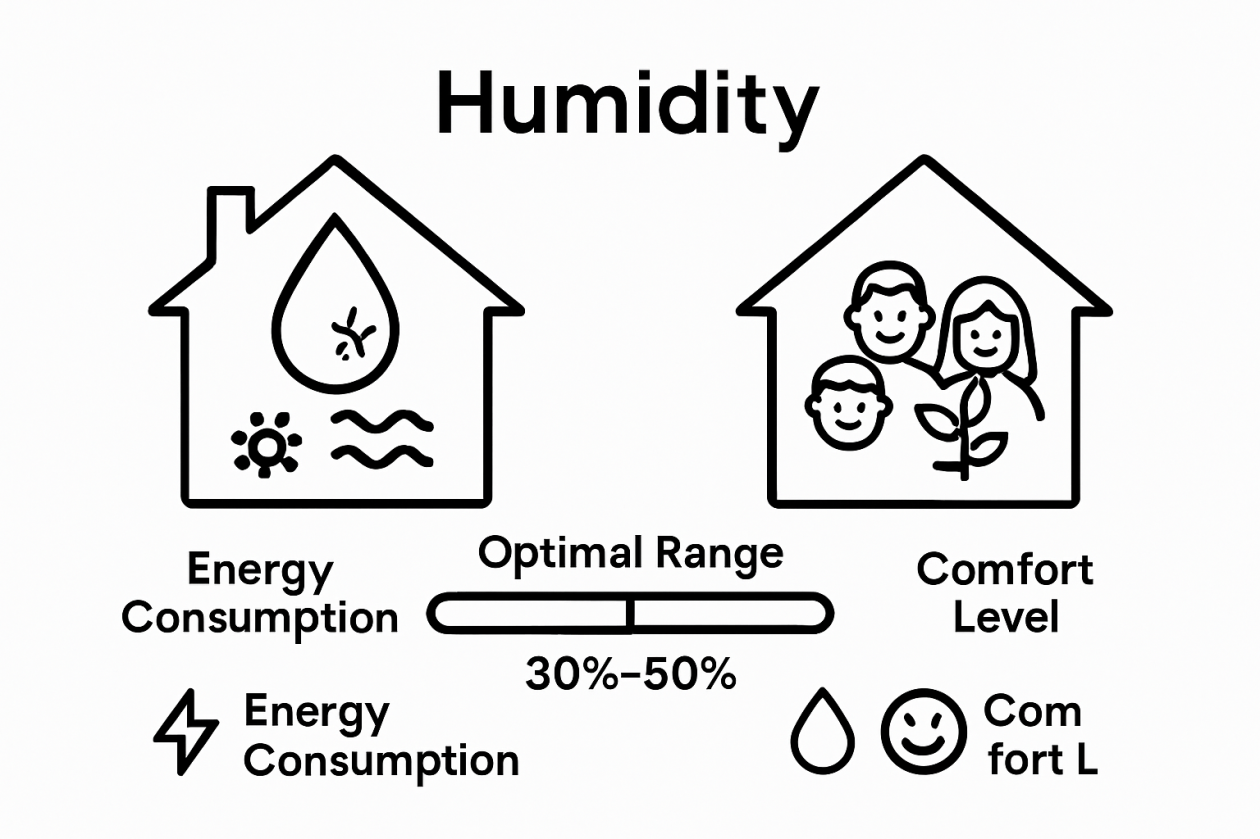
Even in Florida, indoor humidity should stay between 30 and 50 percent. Above that, you start to see warning signs. Common symptoms include sticky or clammy indoor air even when the AC is running, condensation forming on windows and walls, musty or mildew odors, visible mold spots in bathrooms or closets, warped wood furniture or flooring, frequent allergy or asthma symptoms, and air that feels stale or stuffy.
If you notice several of these, your HVAC system is likely not removing enough moisture for your home’s needs. Our article on whether your home air is truly safe to breathe covers the related health side of this.
How Humidity Impacts Equipment Lifespan
Constant moisture takes a toll on HVAC equipment in several ways. Coils corrode faster, especially in coastal homes. Electrical components and connections face accelerated wear. Drain pans and lines fill with biological growth that can clog the system and cause water backup. Blower motors and capacitors work harder, since the system is running more hours to manage moisture.
Over the long term, homes that do not actively manage humidity tend to replace HVAC equipment several years earlier than homes that do.
What Happens When Humidity Is Too Low
It is less common in Florida, but indoor humidity can sometimes drop too low, especially during the cooler months when heat pumps run for long stretches. Low humidity causes dry skin, chapped lips, static shocks, cracked wood furniture, and increased respiratory irritation. Whole-home humidifiers solve this problem when needed by adding controlled moisture back into the air.
Solutions for Managing Florida Humidity
The good news is that managing humidity does not require completely overhauling your HVAC system. Several practical solutions work well. Proper system sizing is the foundation. An AC that is too large will short cycle and never remove enough moisture. Whole-home dehumidifiers connect to your HVAC and pull out excess moisture independently of the cooling cycle. Variable-speed equipment runs longer at lower capacity, which removes more humidity for the same comfort level. UV light sanitization controls mold and biological growth on the coil, where humidity collects. Sealing duct leaks prevents humid attic air from entering the duct system. Regular maintenance keeps coils clean so they can absorb moisture efficiently.
For homes with stubborn humidity problems, our whole-home humidifier and dehumidifier services provide the right level of control.
The Right Thermostat Strategy for Humid Climates
In Florida, the right thermostat strategy looks a little different than in dry climates. Setting the thermostat too low pushes the system to over-cool the air to remove humidity, which wastes energy. Setting it too high lets humidity build up, which makes the home feel uncomfortable. Most homeowners find their sweet spot between 76 and 78 degrees with active humidity control. Smart thermostats with built-in humidity sensors can help fine-tune this balance.
Don’t Forget About Building Envelope
Outdoor humidity finds its way inside through every gap, crack, and leak in your home. Sealing windows, doors, electrical penetrations, and especially ductwork reduces the amount of humid air your AC has to deal with. Combined with adequate attic insulation, these improvements make humidity control much easier and lower cooling costs at the same time.
Working With Florida Humidity, Not Against It
Humidity is not the enemy. It is simply part of the Florida environment. The key is recognizing that your HVAC system needs help to manage it properly. With the right combination of equipment sizing, controls, maintenance, and air quality solutions, you can have a home that feels consistently comfortable, breathes clean, and uses less energy. Call Comfort Zone of North Florida at (904) 406-0070 to schedule a humidity assessment.

Tags: