
When to Replace Your HVAC Filter: A Florida Homeowner’s Guide
Your HVAC filter is one of the smallest, cheapest parts of your entire system, but it has an outsized impact on your comfort, your energy bills, and even your health. In a state like Florida, where AC systems run hard for most of the year, filter changes are even more important than in cooler climates. The trouble is that most homeowners are not sure exactly how often they should be replacing their filter, what to look for when it is time, or which type of filter is best for their home.
Comfort Zone of North Florida works with homeowners across Jacksonville and the surrounding communities to keep their systems running clean and efficient. Here is what every Florida homeowner should know about HVAC filters and replacement.
Why Your HVAC Filter Matters So Much
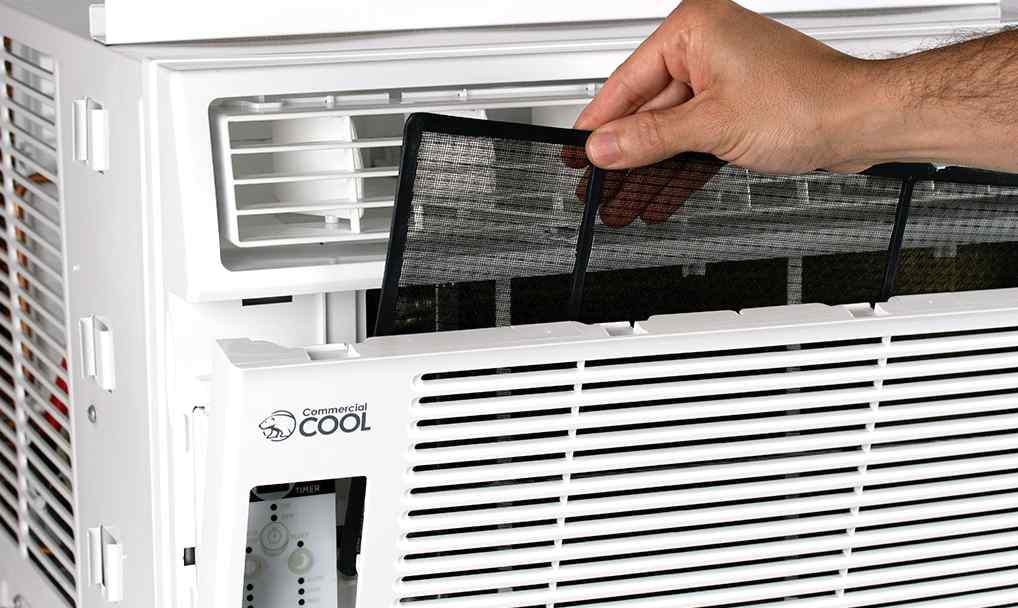
The filter has two jobs. First, it protects your HVAC equipment from dust, debris, and particles that would otherwise build up on the blower, evaporator coil, and other internal components. Second, it helps clean the air circulating through your home by trapping pollen, pet dander, dust, mold spores, and other irritants.
When the filter becomes clogged, both jobs suffer. Your system has to work harder to pull air through, which wastes energy and shortens equipment life. At the same time, less air gets cleaned and more particles end up in the air you breathe.
General Filter Replacement Guidelines
There is no single answer for how often to replace your filter, because it depends on the filter type, your home, and how the system is used. As a starting point, standard one-inch fiberglass filters should be replaced every 30 days. Pleated one-inch filters should be replaced every 60 to 90 days. Thicker pleated filters in the four- to five-inch range can last six months to a year. High-efficiency media filters in dedicated cabinets typically last 6 to 12 months.
These are general rules. Florida homeowners should usually replace filters on the shorter end of the recommended range, simply because AC systems here run more hours than almost anywhere else in the country.
Factors That Shorten Filter Life
Several factors will push you toward more frequent filter changes. Pets in the home, especially dogs and cats that shed, dramatically increase how quickly filters clog. Family members with allergies, asthma, or respiratory conditions benefit from fresher filters. Smokers in the home, whether tobacco or other forms, leave residue that clogs filters faster. Heavy AC use during long Florida summers also accelerates buildup. Construction or remodeling activity nearby adds dust to the air, and homes near busy roads, beaches, or open fields pull in more outdoor particulates.
If any of these apply to you, plan on changing filters more often than the standard schedule.
Signs It Is Time to Replace Your Filter
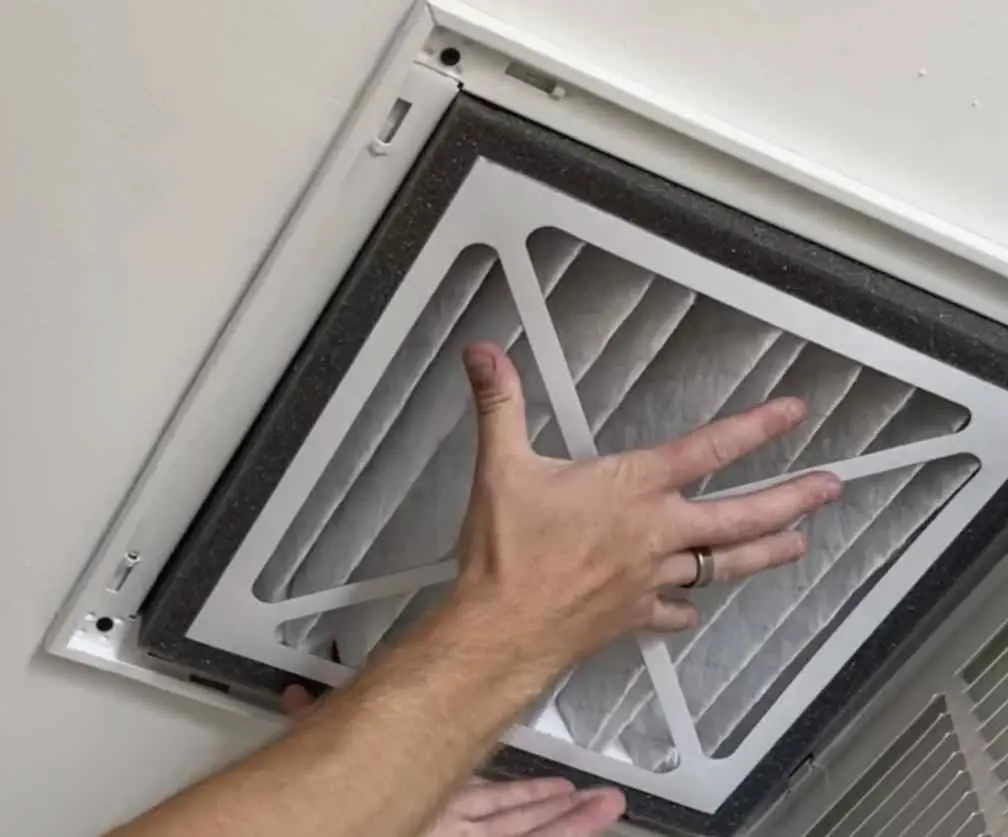
Even without a calendar, your home and HVAC system will give you clear signs when the filter has gone too long. The most obvious is when you pull the filter out and it looks gray, fuzzy, or solid with debris. A clean filter should look mostly white or off-white with the original pleat lines clearly visible.
Other signs include weak airflow from vents, dust accumulating quickly on furniture and surfaces, increased allergy symptoms indoors, longer cooling cycles, a musty or stale smell when the system runs, higher than usual energy bills, and ice forming on the indoor unit or refrigerant lines. Any one of these signals warrants a filter check, and several of them at once means it is past time.
Choosing the Right Filter for Your Home
Filters are rated using the MERV scale, which stands for Minimum Efficiency Reporting Value. The higher the MERV, the more particles the filter captures. However, higher MERV filters also restrict airflow more, and using a filter that is too restrictive for your system can actually damage your blower motor.
For most Florida homes, MERV 8 to MERV 11 is the sweet spot. It captures pollen, dust mites, pet dander, and mold spores without overworking the system. Homes with severe allergies or asthma may benefit from MERV 13, but always confirm with a professional that your system can handle it.
Avoid the cheapest fiberglass filters when possible. They protect your equipment but do very little for your indoor air quality.
What Happens If You Skip Filter Changes
A neglected filter creates a cascade of problems that all cost you money. The blower works harder and uses more electricity. The evaporator coil collects dust that should have been caught by the filter, reducing efficiency and eventually requiring professional cleaning. The system runs longer to reach the set temperature, increasing wear on every component. Indoor air quality drops, which can trigger allergies and respiratory issues.
In severe cases, a totally clogged filter can lead to a frozen coil, system shutdown, or premature compressor failure. Considering that filter replacement costs just a few dollars and a few minutes, there is no reason to risk it.
How to Replace a Standard Filter
Replacing a standard one-inch filter is one of the easiest DIY tasks in home maintenance. Turn off your HVAC system at the thermostat, locate the filter slot (usually in the return air vent or near the air handler), slide out the old filter and note the direction of the airflow arrows on the frame, slide the new filter in with the arrows pointing the same direction (toward the air handler), and turn the system back on.
That is it. The whole job takes about two minutes.
When to Call a Professional
If your home uses a media filter in a dedicated cabinet, a specialty filter, or a filter that is hard to access, it is worth having a professional handle replacements during your annual maintenance visit. A technician can also evaluate whether your current filter type is appropriate for your system, recommend upgrades if your air quality needs more, and check the rest of the system at the same time.
If you have been changing the filter regularly but still notice weak airflow, high bills, or poor air quality, there is likely a deeper issue at play that a professional should look at.
Set a Schedule You Can Stick To
The single best thing you can do for your HVAC system and your indoor air is to set a regular filter replacement schedule and stick to it. Mark your calendar, set a phone reminder, or buy filters in bulk so you always have one ready.
If you want help dialing in the right filter, the right schedule, and the right overall maintenance plan for your home, Comfort Zone of North Florida is here. Call us at (904) 406-0070 to schedule a tune-up or talk through your options.

Tags: