
How to Avoid AC Breakdowns During Florida Heat Waves
When a Florida heat wave hits, your air conditioner becomes the single most important appliance in your home. Indoor temperatures can climb fast, humidity becomes oppressive, and a sudden AC breakdown turns from inconvenient to dangerous within hours, especially for seniors, children, and pets. The frustrating reality is that heat waves are when AC systems are most likely to fail. They run nonstop, often at maximum capacity, with no chance to rest and no margin for error.
The good news is that most heat wave breakdowns are completely preventable with the right preparation. Comfort Zone of North Florida helps homeowners across Jacksonville, Mandarin, Yulee, Ponte Vedra, Glen St. Mary, and the surrounding communities keep their systems running through the worst of summer. Here is what you can do to make sure your AC keeps you cool when it matters most.
Schedule a Pre-Summer Tune-Up Before Heat Arrives
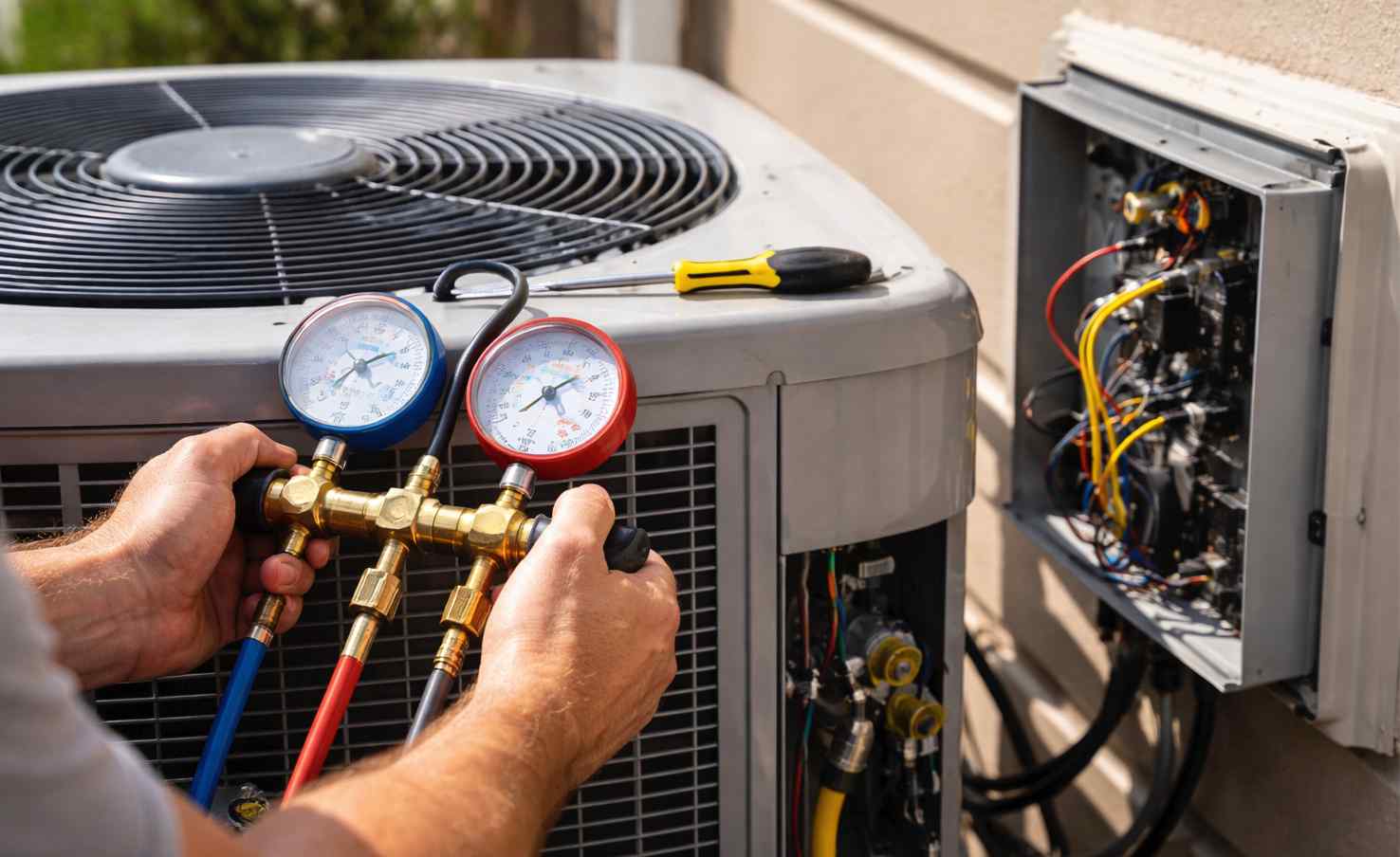
The single most effective thing you can do to avoid a heat wave AC breakdown is to schedule a professional tune-up before summer hits. Spring is the ideal time. During a tune-up, your technician will clean the coils, check refrigerant levels and pressure, test capacitors and contactors, inspect electrical connections, clear the condensate drain line, calibrate the thermostat, and verify the system is operating within manufacturer specifications.
Tune-ups catch the small issues that turn into breakdowns under stress. A weak capacitor that limps along on mild days can fail completely the first time the system runs for ten hours straight. A slightly low refrigerant charge can freeze the coil during a heat wave. A clogged drain line can shut the system down on the hottest day of the year.
Change Your Filter Monthly During Summer
A dirty filter restricts airflow, forces the blower to work harder, and dramatically increases the chances of a frozen coil or overheated motor. During Florida summers and especially during heat waves, check your filter every two weeks and replace it monthly at a minimum.
This is a five-minute task that costs almost nothing and prevents one of the most common breakdown scenarios.
Keep the Outdoor Unit Clear
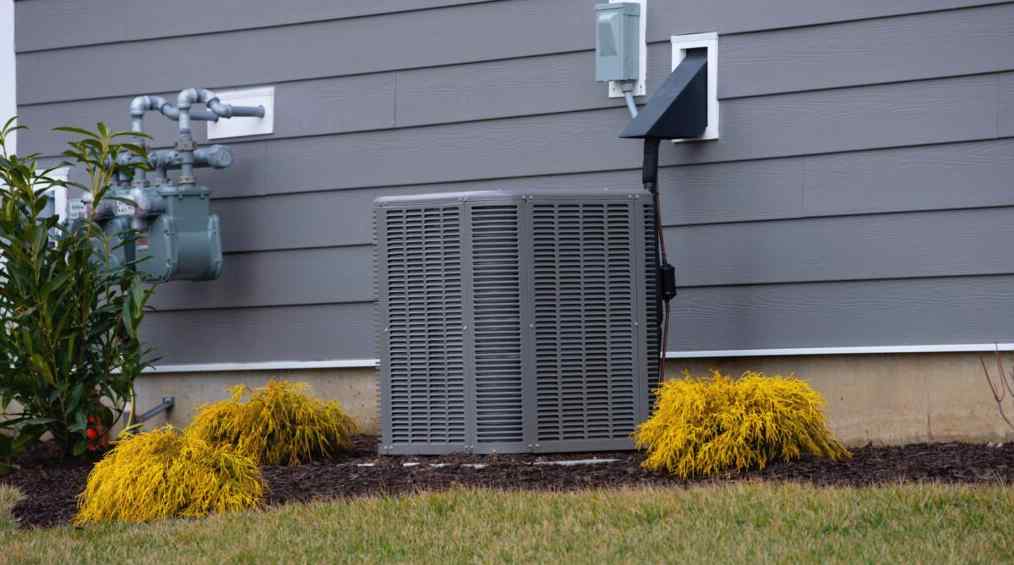
Your outdoor condenser unit needs to breathe in order to release the heat your AC pulls from your home. When grass, leaves, dirt, or vegetation block the airflow, the system cannot reject heat efficiently and the compressor runs hotter and harder than it should.
Walk around your outdoor unit and clear at least two feet of space on all sides. Trim back any bushes or branches, pull weeds, and rinse the coil gently with a garden hose to remove dust, pollen, and grass clippings. Avoid using a pressure washer, which can bend the delicate fins.
Do Not Push the Thermostat Too Low
When the outdoor temperature is 95 or 100 degrees, your AC simply cannot cool the house down to 68 degrees, no matter how low you set the thermostat. Pushing it that low only forces the system to run nonstop without ever satisfying the call, dramatically increasing the chance of a frozen coil, compressor strain, or complete shutdown.
A good rule for Florida heat waves is to set the thermostat no more than 18 to 20 degrees below the outdoor temperature. If it is 98 outside, aim for around 78 to 80 inside. You will still be comfortable, and your system will actually be able to keep up.
Run Ceiling Fans to Take Pressure Off the AC
Ceiling fans do not cool the air, but they make the room feel several degrees cooler by moving air across your skin. Used in occupied rooms, they let you raise the thermostat without losing comfort, which gives your AC critical breathing room during a heat wave and helps prevent AC breakdown.
Make sure fans are set to spin counterclockwise in summer, which pushes cool air down into the living space.
Close Blinds and Curtains During the Hottest Part of the Day
Direct sunlight pouring through windows can add a tremendous heat load to your home, especially on west and south-facing sides. During heat waves, close blinds, drapes, or shades from late morning through evening to block solar gain and reduce the work your AC has to do.
This simple habit can lower indoor temperatures by several degrees and noticeably ease the load on your system.
Avoid Heat-Generating Activities at Peak Times
Cooking, running the dryer, running the dishwasher, and even taking long hot showers all add heat and humidity inside the house. During a heat wave, save these activities for early morning or late evening when outdoor temperatures are lower and your AC is not already at its limit.
Grilling outside, using a microwave or slow cooker, and air-drying laundry can all help your system avoid being overwhelmed during the peak afternoon hours.
Watch and Listen for Warning Signs
Most AC breakdowns give some warning before they happen completely. Pay attention if you notice weak airflow from vents, warm air coming out instead of cool, the system running constantly without satisfying the thermostat, ice forming on the indoor unit or refrigerant lines, strange noises like grinding, buzzing, or clicking, water pooling around the indoor unit or air handler, or burning or musty smells when the system runs.
Catching any of these early and calling a professional can mean the difference between a minor repair and a total system failure on the hottest day of the year.
Consider a Surge Protector for Your HVAC
Florida summers come with afternoon thunderstorms, lightning, and power surges that can fry the electrical components in your HVAC system. A whole-home or dedicated HVAC surge protector is a small investment that can prevent thousands of dollars in damage to your compressor, control board, or capacitor when the next storm rolls through.
If you have ever lost an AC during a summer storm, you already know how stressful and expensive that experience is. A surge protector eliminates much of that risk.
Know Who to Call Before You Need Them
When your AC breakdown during a heat wave, the last thing you want to do is start researching HVAC companies. Identify a trusted local HVAC company now, save their number in your phone, and ideally enroll in their maintenance plan so you have priority service if something does go wrong.
Comfort Zone of North Florida offers responsive emergency repair throughout the Jacksonville area, and our maintenance customers always get priority when heat waves hit.
Stay Cool All Summer Long
A little preparation goes a long way. With a professional tune-up, regular filter changes, smart thermostat habits, and a clear outdoor unit, your AC has everything it needs to make it through even the worst Florida heat waves. If your system is overdue for service or you want to put a maintenance plan in place before summer peaks, Comfort Zone of North Florida is ready to help. Call us at (904) 406-0070 to schedule service today.
