
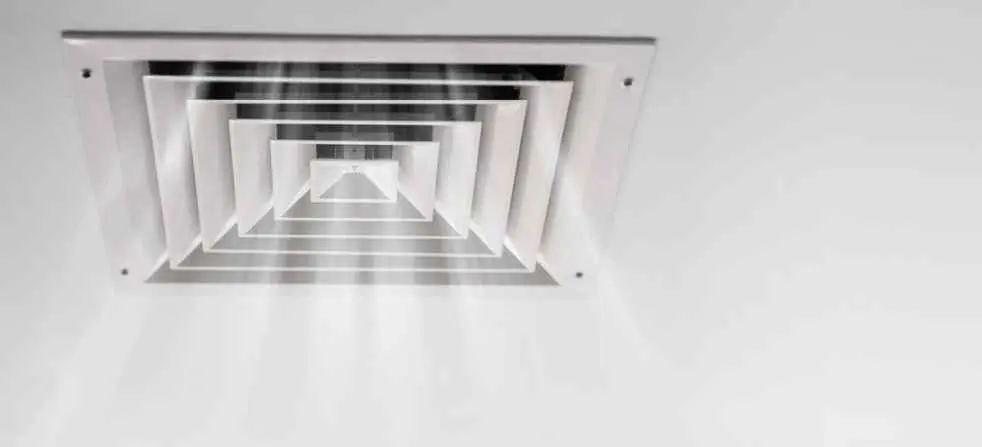
Top Causes of Poor Indoor Airflow in Florida Homes
If you have lived in Florida for any length of time, you know how much you depend on your HVAC system. When the air coming out of your vents feels weak, uneven, or barely there, it is more than a minor annoyance. Poor airflow puts strain on your equipment, raises your energy bills, and can make certain rooms unbearable during the summer heat. Understanding why airflow drops off in the first place is the key to restoring consistent comfort in your home.
At Comfort Zone of North Florida, we work with homeowners across Jacksonville, Yulee, Mandarin, Ponte Vedra, and the surrounding communities to diagnose and fix airflow problems before they turn into expensive repairs. Below are the most common causes we see, along with what you can do about each one.
Clogged or Dirty Air Filters
The number one cause of poor airflow in Florida homes is almost always the simplest one: a dirty air filter. When the filter is loaded with dust, pet hair, pollen, and other debris, your blower has to work much harder to push air through. The result is weaker airflow at every vent, longer cooling cycles, and noticeably higher humidity inside.
Florida’s pollen seasons, frequent AC use, and high humidity all accelerate filter clogging. Most standard one-inch filters should be changed every 30 days during heavy use months, and pleated or high-efficiency filters every 60 to 90 days. If you have pets or anyone in the home with allergies, even more often.
Blocked or Closed Supply Vents
Furniture pushed against vents, rugs covering floor registers, or vents that have been intentionally closed in unused rooms can all reduce airflow throughout the entire home. Many homeowners think closing vents in spare rooms will save energy, but in reality it creates pressure imbalances in the duct system that force your AC to work harder and weaken airflow everywhere else.
Walk through your home and check each supply and return vent. Make sure nothing is blocking them, and keep them open even in rooms you do not use often. Your system was designed and balanced to deliver air to every register.
Leaky or Disconnected Ductwork
In Florida, ductwork often runs through hot attics where extreme temperatures and humidity speed up wear. Over time, seams loosen, joints separate, and small animals or rodents can damage flexible duct runs. When ducts leak, conditioned air escapes into the attic instead of reaching your living space, and warm attic air gets pulled into the system.
According to ENERGY STAR, the average home loses about 20 to 30 percent of the air moving through its duct system due to leaks, holes, and poor connections. That lost air shows up as weak vents, hot rooms, and high power bills. Professional duct sealing or replacement can restore airflow dramatically in older Florida homes.
Undersized or Crushed Return Air Ducts
Most homeowners focus on supply vents, but the return side of your duct system is just as important. If your return air ducts are too small, partially crushed, or blocked, your blower cannot pull in enough air to push back out. The system effectively starves itself.
This is especially common in older homes that have been remodeled or had additions built on without upgrading the duct system. If you have noticed that your AC runs constantly but never quite catches up, restricted returns may be part of the problem.
Frozen Evaporator Coil
A frozen evaporator coil is both a cause and a symptom of airflow problems. When airflow drops too low, refrigerant in the coil gets too cold and ice begins to form. That ice then blocks airflow even further, creating a cycle that ends with no cool air coming out of your vents at all.
If you notice ice on the indoor unit or refrigerant lines, weak airflow, and warm air at the vents, turn the system off immediately and call a professional. Running a frozen system can damage the compressor, which is one of the most expensive parts to replace.
Dirty Evaporator and Condenser Coils
Even if your filter is changed regularly, your AC coils still collect a thin layer of dust, salt, and biological growth over time. In coastal Florida communities, salt air accelerates this buildup. Dirty coils reduce heat transfer, which means the system runs longer and harder to maintain temperature, and overall airflow performance drops.
Annual professional maintenance that includes thorough coil cleaning is one of the most effective ways to keep airflow strong and energy bills predictable.
Failing Blower Motor or Capacitor
Your blower motor is what physically moves air through your home, and like any motor, it wears down over time. A blower running slowly, struggling to start, or making unusual noises is often the cause behind weak airflow. The capacitor that helps start the motor can also fail, leaving you with little to no air movement at all.
These are jobs for a licensed technician. The good news is that catching a weak blower or failing capacitor early can prevent a much larger system failure later.
Improperly Sized HVAC System
An HVAC system that is either too large or too small for your home will never deliver proper airflow or comfort. Oversized systems short cycle, meaning they turn off before air has a chance to circulate evenly. Undersized systems run constantly without ever reaching the set temperature. Both problems are common in Florida homes that have had additions, new windows, or major renovations that changed the cooling load.
If your airflow has been weak since day one, sizing may be the root cause, and only a load calculation by a professional can confirm it.
Closed or Poorly Designed Duct Layouts
Some homes simply have ductwork that was poorly designed from the beginning. Long, twisty runs, too many sharp turns, or undersized trunk lines all reduce how much air can reach the farthest rooms. If one or two specific rooms in your home are always weak no matter what you do, the duct design may be the culprit.
A professional assessment can identify the bottlenecks and recommend solutions such as a duct redesign, added returns, or zoning to balance the airflow.
How to Get Strong Airflow Back in Your Florida Home
The good news is that almost every cause of poor airflow can be fixed once it has been identified. Start with the simple steps: change your filter, open all vents, and clear obstructions. From there, schedule a professional tune-up that includes coil cleaning, duct inspection, and blower checks. If problems persist, deeper issues like duct leaks, system sizing, or zoning may need to be addressed.
If your home is not feeling as comfortable as it should, Comfort Zone of North Florida can help. Call us at (904) 406-0070 or visit us online to schedule an airflow inspection and get your home breathing easier again.

Tags: