
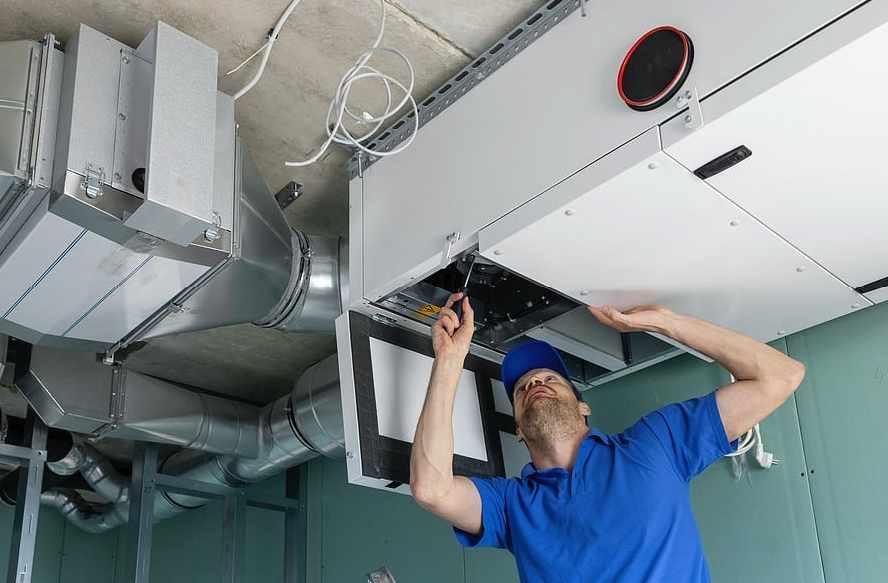
5 Warning Signs Your Air Ducts Need Replacement
Your home’s air ducts are the hidden highway that carries conditioned air from your HVAC system to every room in your house. Because they are mostly out of sight—tucked behind walls, above ceilings, and in attics—ductwork is one of the most overlooked components of a home’s heating and cooling system. Yet the condition of your ducts has a direct and significant impact on your comfort, energy bills, and indoor air quality.
In Northeast Florida, where air conditioning systems run for the majority of the year and attic temperatures can soar well above one hundred and thirty degrees in summer, ductwork faces extreme conditions that accelerate wear and deterioration. Knowing the warning signs that your ducts may need replacement can help you address problems before they lead to costly consequences.
1. Uneven Temperatures Throughout Your Home
One of the most noticeable signs of ductwork problems is inconsistent temperatures from room to room. If some rooms in your home are significantly warmer or cooler than others—even when the thermostat is set to a comfortable temperature—the issue is often in the ducts rather than the HVAC equipment itself.
Over time, ducts can develop leaks at connection points, collapse in sections due to deteriorating support straps, or become crushed or kinked if insulation or storage has been placed on top of them in the attic. Any of these issues restricts or redirects airflow, leaving certain rooms underserved while others receive more conditioned air than they need.
If you have already ruled out other causes like closed vents, dirty filters, or thermostat issues, your ductwork should be the next thing to investigate.
2. Unusually High Energy Bills
If your energy bills have been gradually increasing without a corresponding change in your usage habits or utility rates, leaky or deteriorating ductwork may be to blame. Studies have shown that the average home loses twenty to thirty percent of conditioned air through duct leaks, gaps, and poor connections. In a Florida home where the air conditioner runs for eight or nine months out of the year, that lost air translates directly into wasted energy and higher bills.
When conditioned air escapes into your attic or crawl space instead of reaching your living areas, your HVAC system has to run longer and work harder to maintain the desired temperature. This not only increases your energy costs but also puts additional wear and tear on your equipment, potentially shortening its lifespan.
3. Excessive Dust in Your Home
If you find yourself constantly dusting surfaces, changing filters more frequently than expected, or noticing dust particles floating in sunbeams more than usual, your ductwork may be pulling in contaminated air from unconditioned spaces.
When ducts develop leaks or gaps—particularly in attic runs—they can draw in dust, insulation fibers, and other debris from the surrounding area. This contaminated air is then distributed throughout your home every time the system runs. In addition to being a nuisance, excessive dust can aggravate allergies and respiratory conditions, making it a health concern as well as a comfort issue.
If cleaning your home regularly does not seem to keep dust under control, a professional duct inspection may reveal the source of the problem.
4. Visible Damage, Sagging, or Disconnected Sections
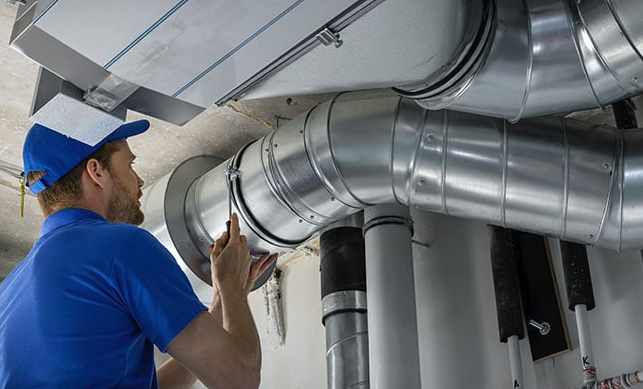
If you have access to your attic or crawl space, a visual inspection of your ductwork can reveal obvious problems. Look for sections of flexible duct that are sagging, twisted, or lying flat on the attic floor rather than being properly suspended. Check for visible tears, holes, or sections where the outer jacket has deteriorated. Pay attention to connection points where ducts meet the main trunk line or connect to registers—these joints are common failure points.
In Florida attics, the combination of extreme heat and moisture can cause duct materials to break down over time. The adhesive on foil tape can fail, mastic sealant can crack, and the inner lining of flexible ducts can deteriorate, creating restrictions that reduce airflow. Duct insulation can also compress or degrade, reducing its ability to prevent condensation and energy loss.
If you see any visible damage during your inspection, it is time to call a professional for a thorough evaluation.
5. Musty or Unpleasant Odors When the System Runs
If you notice a musty, stale, or unpleasant smell when your HVAC system kicks on, it could indicate mold or mildew growth inside your ductwork. In Florida’s humid climate, condensation can form on the interior surfaces of ducts—especially if the insulation has deteriorated or if there are leaks allowing warm, moist attic air to come into contact with the cooled air inside the ducts.
Mold growth inside ductwork is a serious concern because the spores are distributed throughout your home every time the system operates. This can cause or worsen respiratory problems, trigger allergic reactions, and create an unhealthy living environment for your family.
If you suspect mold in your ducts, do not attempt to clean them yourself with household products. A professional HVAC company can assess the situation, determine whether cleaning or replacement is the appropriate solution, and address the underlying cause of the moisture problem to prevent recurrence.
When to Repair vs. Replace Your Ductwork
Not every duct problem requires a full replacement. Minor leaks at connection points can often be sealed with mastic or metal-backed tape, and individual damaged sections of flexible duct can be replaced without redoing the entire system.
However, if your ductwork is more than fifteen to twenty years old, shows widespread deterioration, has significant mold contamination, or was improperly designed or installed in the first place, a full replacement is usually the more cost-effective long-term solution. New ductwork, properly sized, sealed, and insulated, can dramatically improve your system’s efficiency, reduce your energy bills, and deliver more consistent comfort throughout your home.
The Investment That Pays for Itself
Replacing deteriorated ductwork is one of the most impactful upgrades you can make to your home’s HVAC system. In many cases, homeowners who replace old, leaky ducts see an immediate reduction in energy bills and a noticeable improvement in comfort and air quality.
At Comfort Zone of North Florida, our technicians are experienced in evaluating and replacing residential ductwork throughout Jacksonville, Yulee, and the surrounding communities. We will give you an honest assessment of your duct system’s condition and recommend the most practical and cost-effective solution for your situation.
Schedule a Duct Inspection Today
If you are experiencing any of the warning signs described in this article, do not wait for the problem to get worse. Contact Comfort Zone of North Florida Inc. at (904) 406-0070 or visit our website to schedule a professional duct inspection. Our team will identify the issues, explain your options, and help you get your home’s airflow back on track.

Tags: