
When Hurricane Damage Means It Is Time for a New AC
Hurricane season in Northeast Florida is one of those things you learn to live with. Most storms pass through with nothing worse than a few downed branches and a power outage, but every so often one hits hard enough to reshape the neighborhood. When that happens, your HVAC system often takes damage that is not obvious right away, and the days and weeks after a big storm are when a lot of homeowners find themselves facing a repair-or-replace decision.
Comfort Zone of North Florida has helped plenty of families in the Jacksonville area sort through post-storm HVAC issues. Here is what you should know about the kinds of damage hurricanes cause, when repair makes sense, and when it is time to move on to a new system.
Obvious Storm Damage
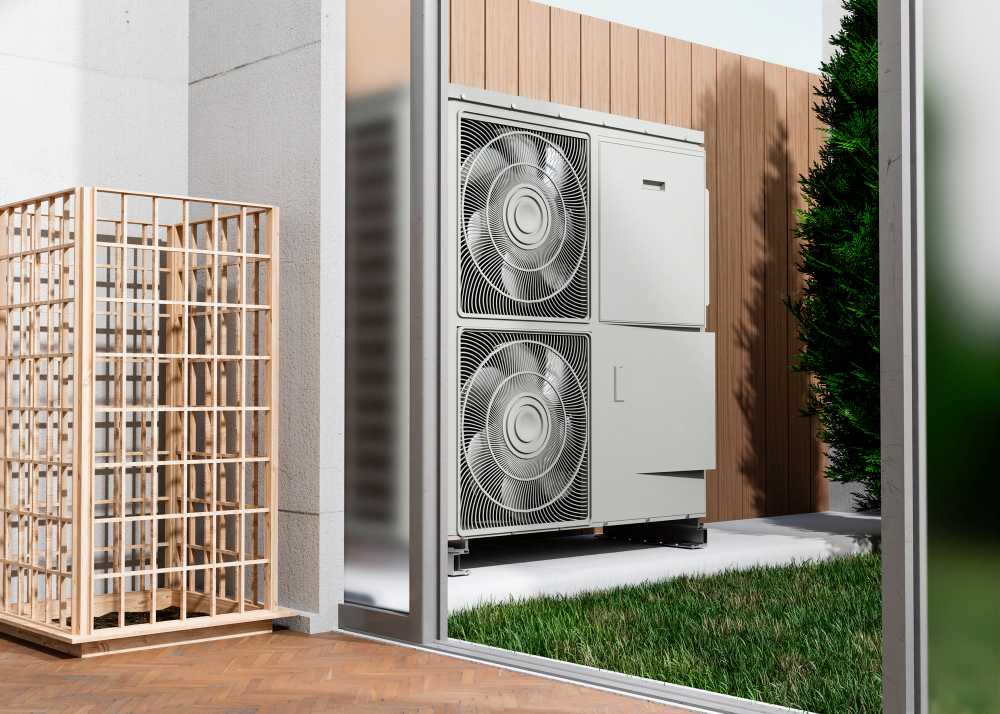
The easiest cases are the ones you can see. A tree limb that fell on the outdoor unit and crushed the fan cage. A condenser that got knocked off its pad by high winds. Flooding around the air handler in a garage or utility closet. Debris driven into the coil fins by storm-force gusts.
If any of these apply, replacement is often the practical call, especially if the unit is more than eight or ten years old to begin with. Trying to patch major structural damage on an aging system usually leads to more problems down the road.
Lightning and Power Surge Damage
This is the sneaky one. Lightning does not have to strike your house directly to fry your HVAC electronics. A nearby strike can send a power surge through the grid that hits your compressor, control board, capacitors, or thermostat, and the damage does not always show up immediately.
Sometimes the system runs fine after the storm but starts throwing intermittent problems weeks later. Other times the compressor is quietly running rough and heading for a full failure by the following summer. If your area lost power during a storm and your AC has been acting strange since, get it looked at. A whole-home surge protector is one of the smartest post-storm upgrades a Florida homeowner can make.
Flooding and Water Damage
If your outdoor condenser sat in standing water during a storm, the damage is usually more serious than it looks. Water gets into electrical connections, corrodes internal components, and often takes a compressor down within a season or two even if it seems to run fine at first.
Air handlers that got wet from roof leaks, ceiling failures, or basement flooding are usually a full loss. Electrical components, blower motors, and insulation inside the cabinet all suffer from water exposure, and the mold that follows is often worse than the original damage. Insurance claims often cover replacement in these cases, but the assessment needs to happen quickly.
Salt Spray from Tropical Systems
Tropical storms and hurricanes that come off the Atlantic push salt-laden air miles inland. Even homes in Mandarin or Middleburg can end up with salt residue on their outdoor unit after a big storm. This accelerates corrosion on coil fins, electrical contacts, and any exposed metal, and it does not always wash off easily.
Rinsing the outdoor unit gently with fresh water after a storm helps. If your unit is already showing corrosion and you just took a direct hit, replacement is often more sensible than repair.
Signs Your System Is Struggling After a Storm
Watch for these in the days and weeks after a hurricane or tropical storm:
- Weaker cooling than before, even at the same thermostat setting
- Longer cycles or the system running almost constantly
- New noises, especially from the compressor
- Higher electric bills without a clear reason
- Ice forming on the refrigerant lines
- Circuit breakers tripping when the AC starts up
- Warm air coming from the vents intermittently
Any of these is a reason to get the system checked before it turns into a full failure. Our post on why your AC might blow warm air covers some of the common post-issue symptoms in more detail.
The Repair vs Replace Decision After a Storm
For older systems that took storm damage, replacement is usually the smarter long-term choice. Insurance often covers a significant portion of the cost, especially for named storms, and moving from a 12-year-old unit to a modern high-efficiency system can cut cooling costs by 30 to 50 percent immediately.
For newer systems that took minor damage, targeted repair usually makes sense. A blown capacitor, a damaged fan blade, or a bent coil fin are all fixable without going for a full replacement. The tricky cases are the ones in the middle, where the system is around eight to twelve years old and the damage is moderate. That is where an honest professional assessment matters most.
Document Everything for Insurance
If you are considering an insurance claim, take photos before anything gets moved or repaired. Get a written assessment from a licensed HVAC contractor. Keep records of the original installation, previous service visits, and warranty information. Adjusters move faster when the paperwork is already organized, and thorough documentation often means better outcomes.
We Can Help You Decide
Storm damage is stressful enough without also being the moment you have to figure out what to do with your HVAC. Give Comfort Zone of North Florida a call at (904) 406-0070 and we will come look at what you are dealing with, tell you honestly whether repair or replacement makes more sense, and help you get back to normal.

Tags: