
How Florida Humidity Affects Your HVAC System (And What You Can Do About It)
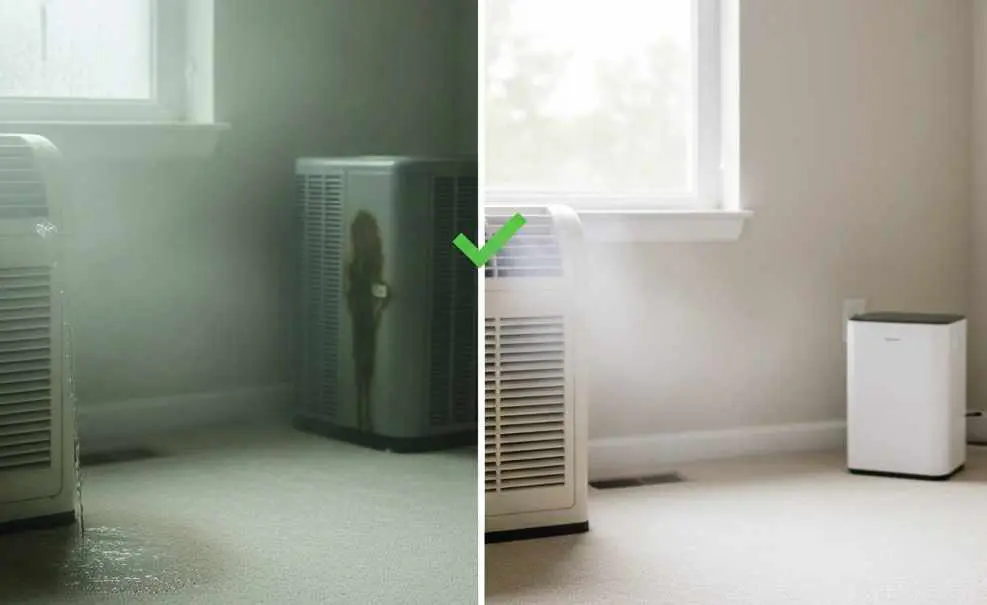
If you have lived in Northeast Florida for any length of time, you know that humidity is a constant companion. While most people think of their HVAC system primarily as a way to cool the air, one of its most important jobs in our climate is removing moisture. When humidity levels inside your home climb too high, it affects everything from your comfort and health to the condition of your home itself. Understanding how Florida’s humidity interacts with your HVAC system can help you make smarter decisions about maintenance, upgrades, and daily operation.
For homeowners in Jacksonville, Yulee, Fernandina Beach, and across North Florida, managing indoor humidity is not optional—it is essential.
Why Is Humidity Such a Problem in Florida?
Florida’s subtropical climate means that outdoor relative humidity regularly exceeds seventy to eighty percent, particularly during the summer months. Even during the cooler winter season, humidity levels can remain elevated compared to other parts of the country. This constant moisture in the air creates an environment where mold, mildew, dust mites, and other allergens thrive.
Inside your home, excessive humidity makes the air feel warmer than it actually is. You may find yourself lowering the thermostat further and further in an attempt to feel comfortable, which forces your air conditioner to work harder and drives up your energy bills. In reality, the problem is not that the air is too warm—it is that the air is too wet.
How Your HVAC System Controls Humidity
Your air conditioning system removes humidity through the evaporator coil. As warm, humid air from your home passes over the cold coil, moisture condenses on the coil’s surface and drips into the condensate drain pan, where it is carried away through the drain line. The now-drier, cooler air is then circulated back into your living spaces.
This dehumidification process works well when the system is properly sized, well-maintained, and running long enough during each cycle to remove a meaningful amount of moisture. However, several factors can interfere with your system’s ability to manage humidity effectively.
Common Humidity Problems and Their Causes
One of the most frequent causes of indoor humidity problems is an oversized air conditioner. When a system is too large for the home it serves, it cools the air very quickly and shuts off before it has run long enough to adequately dehumidify. This short cycling leaves the air feeling cool but clammy, and over time, the excess moisture can lead to mold growth, musty odors, and damage to wood floors, furniture, and drywall.
Dirty or clogged evaporator coils are another common culprit. When the coil is coated with dust, dirt, or biological growth, its ability to condense moisture from the air is significantly reduced. Regular professional maintenance that includes coil cleaning is essential for keeping your system’s dehumidification capabilities intact.
A clogged condensate drain line can also cause humidity issues. If the drain line becomes blocked, water backs up into the drain pan and can eventually overflow, leading to water damage and elevated indoor moisture levels. In Florida’s warm climate, algae and mold growth inside the drain line are common causes of clogs.
Leaky ductwork is yet another factor. If your ducts have gaps, cracks, or poor connections—particularly in unconditioned spaces like your attic—hot, humid outside air can be drawn into the duct system and introduced into your home, undermining your air conditioner’s efforts to control moisture.
Signs Your Home Has a Humidity Problem
There are several indicators that your home’s humidity levels may be too high. Condensation forming on windows, especially in the morning, is a classic sign. You may also notice a persistent musty smell, particularly in closets, bathrooms, or areas with poor air circulation. Visible mold or mildew on walls, ceilings, or around window frames is a clear warning sign. Peeling paint or wallpaper can indicate prolonged exposure to excess moisture. And if your home simply feels sticky or uncomfortable even when the air conditioner is running, humidity is likely the issue.
What You Can Do to Manage Indoor Humidity
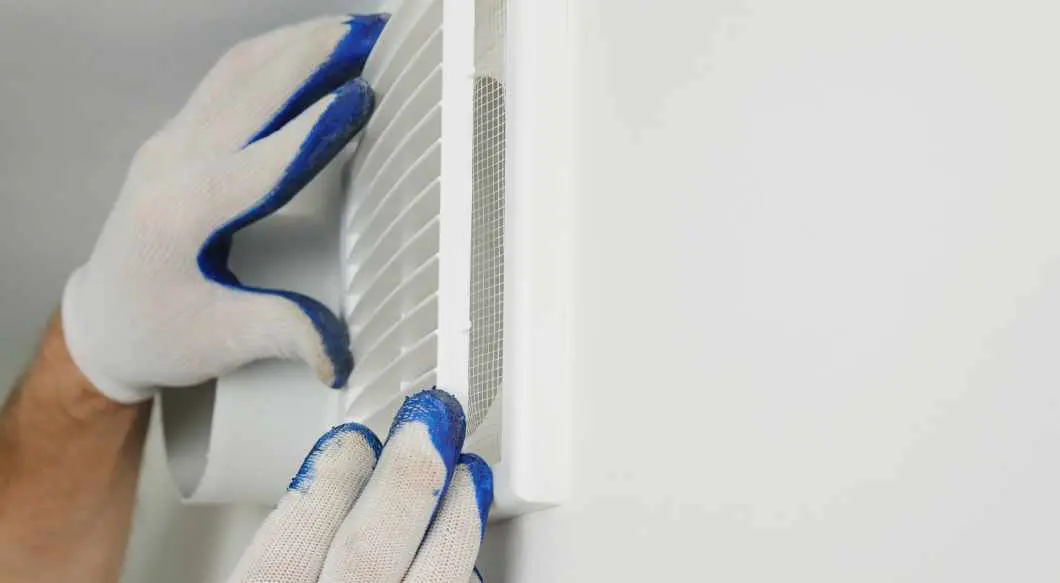
The first and most important step is to keep your HVAC system well-maintained. Schedule annual professional inspections that include coil cleaning, drain line clearing, and a thorough system evaluation. Replace your air filters regularly—dirty filters restrict airflow and reduce your system’s ability to dehumidify effectively.
If your home consistently struggles with humidity despite a well-maintained air conditioner, you may benefit from a whole-home dehumidifier. These units work alongside your existing HVAC system to remove excess moisture from the air before it is distributed throughout your home. They are particularly effective in homes with oversized air conditioners or in areas with consistently high humidity.
Using your thermostat’s fan setting correctly also makes a difference. Setting the fan to “auto” rather than “on” allows the system to dehumidify more effectively, because the fan only runs when the system is actively cooling. When the fan is set to “on,” it runs continuously and can re-evaporate moisture that has collected on the evaporator coil, blowing it back into your home.
Upgrading to a variable-speed or two-stage air conditioning system is another excellent option for Florida homeowners. These systems run at lower speeds for longer periods, which provides more consistent dehumidification compared to single-stage units that cycle on and off at full capacity.
When to Call a Professional
If you are experiencing persistent humidity problems in your home, it is worth having a professional HVAC technician evaluate your system. The issue could be as simple as a clogged drain line or dirty coil, or it could indicate a more significant problem like improper system sizing or major duct leaks.
At Comfort Zone of North Florida, our technicians are experienced with the specific humidity challenges that Florida homeowners face. We can diagnose the root cause of your moisture problems and recommend practical, cost-effective solutions to restore comfortable, healthy indoor air.
Take Control of Your Indoor Comfort
Do not let Florida’s humidity compromise your comfort or your home. Contact Comfort Zone of North Florida Inc. at (904) 406-0070 to schedule a system evaluation and discover how we can help you achieve the ideal balance of cool, dry, comfortable air in your home. Whether you need maintenance, a system upgrade, or a whole-home dehumidification solution, our team is here to help.

Tags: