
How to Improve Indoor Comfort While Lowering Energy Bills
Comfort and low energy bills often feel like a tradeoff. Set the thermostat where you want it and watch the bill climb. Try to save money and feel uncomfortable. The truth is that with the right combination of habits, equipment, and small improvements, you can absolutely have both. Better comfort at lower cost is not a myth. It is a matter of understanding how your HVAC system actually works and eliminating the waste that most homes accept as normal.
Comfort Zone of North Florida helps homeowners across Jacksonville, Mandarin, Orange Park, and the surrounding communities achieve both goals at once. Here is how.
Manage Humidity, Not Just Temperature
In Florida, humidity affects comfort as much as temperature. A room at 76 degrees and 45 percent humidity feels far more comfortable than the same room at 72 degrees and 70 percent humidity. Lowering humidity lets you raise the thermostat a few degrees without losing comfort, which directly cuts cooling costs.
The most effective ways to manage humidity include running your AC long enough to remove moisture (not short cycling), adding a whole-home dehumidifier, sealing leaky ducts to prevent humid attic air from entering, and using bathroom and kitchen vent fans consistently. Our blog on Florida humidity and HVAC performance covers this in more depth.
Upgrade to a Smart Thermostat
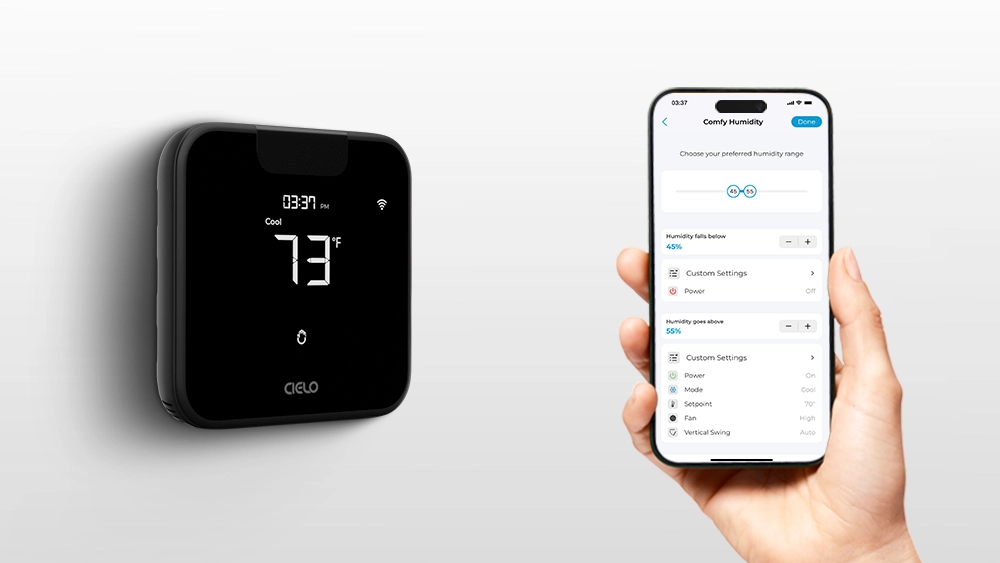
A smart thermostat is one of the best low-cost investments for both comfort and savings. Smart models learn your daily patterns, adjust automatically when no one is home, respond to weather conditions, and give you full control from your smartphone. ENERGY STAR estimates that a smart thermostat saves the average household about eight percent on heating and cooling annually.
The comfort benefits are just as important. Smart thermostats often deliver more consistent temperatures than manual control, and features like geofencing mean the house is already comfortable when you get home.
Seal Air Leaks Throughout the House
Cool air escaping through gaps, cracks, and leaky ducts is one of the biggest hidden costs in Florida homes. Common culprits include gaps around windows and doors, holes where pipes and wires enter the house, attic hatches, recessed light fixtures, electrical outlets on exterior walls, and joints in ductwork.
Caulking, weatherstripping, and outlet gaskets are inexpensive and easy to install. Professional duct sealing and insulation is often the single highest-return improvement a Florida homeowner can make.
Check Your Attic Insulation
In Florida, the attic is the biggest source of heat gain in most homes. Without adequate insulation, attic temperatures climb above 130 degrees in summer, and that heat radiates directly into your living space. The Department of Energy recommends R-30 to R-49 for Florida homes. Many older homes fall well short.
Adding blown-in insulation is fast, affordable, and pays for itself in cooling savings within a few seasons.
Use Ceiling Fans Strategically
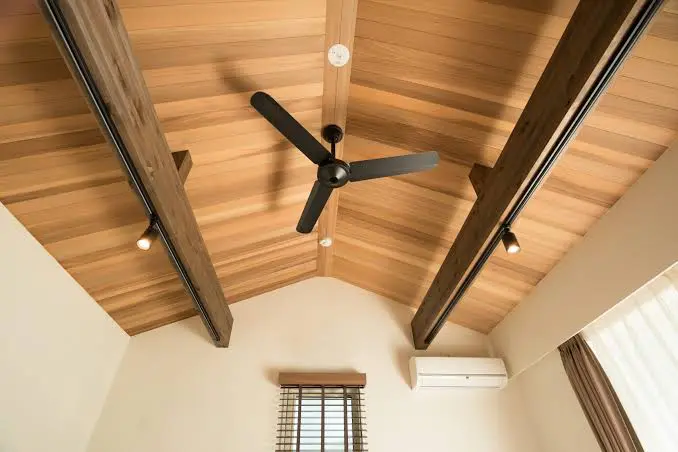
Ceiling fans do not cool the air, but they make you feel several degrees cooler by moving air across your skin. In occupied rooms during summer, fans let you raise the thermostat by four to five degrees without losing comfort. In winter, reversing fan direction pushes warm air down along the walls for more even heating.
Just remember to turn fans off when leaving the room. Fans cool people, not empty spaces.
Address Direct Sunlight
Direct sunlight through windows can dramatically raise indoor temperatures, especially on west and south-facing sides. Closing blinds, drapes, or shades during the hottest part of the day blocks heat before it enters. For long-term savings, solar window film and cellular shades both provide serious heat rejection while still letting in some natural light.
This small change can drop indoor temperatures by several degrees and take real strain off your cooling system.
Consider HVAC Zoning
For larger or multi-story homes, HVAC zoning delivers both better comfort and lower bills. Zoning divides your home into separate areas with their own thermostats, so you only cool or heat the rooms you are actively using. Uncomfortable temperature differences between floors disappear, and unused rooms no longer drain your energy budget.
The Department of Energy estimates zoning can reduce HVAC energy use by up to 30 percent in homes with proper installation.
Stay on Top of Maintenance
A well-maintained AC uses up to 15 percent less energy than a neglected one. Annual professional tune-ups, monthly filter changes during heavy use, and regular cleaning of the outdoor condenser all keep the system operating at peak efficiency. Our blog on preventative maintenance savings covers the numbers.
Beyond direct energy savings, a well-maintained system runs quieter, delivers more consistent temperatures, and is less likely to break down at the worst possible time.
Address Household Heat Sources
Ovens, dryers, dishwashers, and long hot showers all add heat and humidity inside your home. During Florida summer, try to run heat-generating appliances early in the morning or late in the evening when outdoor temperatures are lower and the AC is not already working hard.
Switching to LED lighting also reduces heat gain, since incandescent and halogen bulbs produce significant amounts of heat compared to LEDs.
Consider an Equipment Upgrade
If your AC is 12 to 15 years old or more, even a perfectly maintained system will not match the efficiency of modern high-SEER2 equipment. A replacement can cut cooling energy use by 30 to 50 percent while dramatically improving comfort and humidity control. If your bills keep climbing and comfort keeps declining, replacement may be the smart long-term choice. Our HVAC system replacement guide walks through the decision.
Start Small and Build
You do not have to do everything at once. Even a single change like sealing air leaks or upgrading the thermostat can deliver noticeable improvements. Layer additional improvements as budget allows, and the combined effect compounds into a home that is both more comfortable and less expensive to operate.
If you would like help identifying which improvements will deliver the biggest return in your home, Comfort Zone of North Florida is ready to help. Call us at (904) 406-0070 to schedule a home comfort consultation.

Tags: