
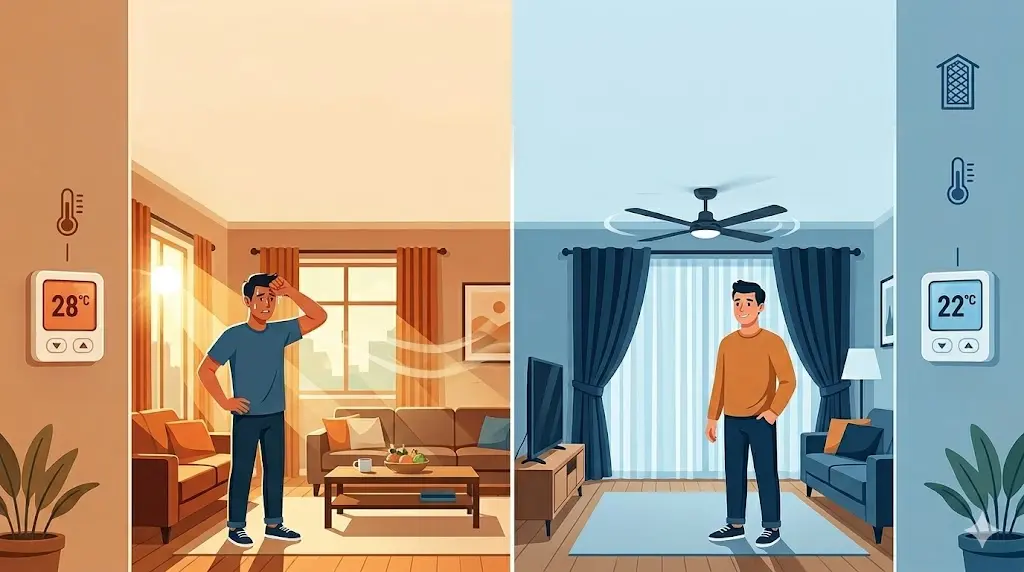
Tips to Avoid Common AC Problems Before Fall
After a long Florida summer, your AC has earned some rest. But before the system starts winding down for the cooler months, fall is the perfect time to address the wear and tear that summer left behind. The problems that develop over months of heavy runtime rarely announce themselves right away. They lurk quietly through fall, then reveal themselves at the worst possible time, either during a warm October afternoon when you still need cooling or the following spring when you fire the system back up. Getting ahead of these issues now prevents surprises later.
Comfort Zone of North Florida helps homeowners across Jacksonville, Mandarin, Orange Park, and the surrounding communities keep their AC systems healthy year-round. Here are the most common post-summer AC problems and how to avoid them.
Address Any Weak Airflow Issues
If your AC struggled with weak airflow during summer, the problem is not going to fix itself. Common causes include a heavily clogged filter, partially frozen coil that has since thawed, blower motor wear, or accumulated debris in the ductwork. Fall is the ideal time to identify and address these issues before winter heating exposes the same weaknesses in the blower.
Start with a fresh filter and see if airflow improves. If it does not, professional diagnosis is worthwhile.
Clear the Condensate Drain Line
The condensate drain line handles the water your AC removes from the air. Over a Florida summer, drain lines can develop algae buildup, biological growth, and small clogs that slow drainage. If left untreated, these clogs can back up water into the drain pan, causing damage to the air handler and the ceiling or floor below.
Pouring a cup of distilled white vinegar down the drain line once a month during summer helps prevent clogs. Fall is a good time for a thorough cleaning, and it is a standard part of professional maintenance.
Inspect and Clean the Outdoor Unit
Summer is hard on outdoor condensers. Grass clippings, pollen, dirt, salt (for coastal homes), and biological growth all accumulate on the coil fins. When left in place, this buildup reduces the system’s ability to release heat, which forces it to work harder every time it runs.
Rinse the coil gently with a garden hose to remove surface debris. Clear at least two feet of space on all sides of the unit and trim back any bushes that grew during summer. For deep cleaning, our AC coil cleaning service restores full efficiency.
Change Your Filter Before Fall
If your filter is more than 30 days old at the end of summer, change it now. Starting fall with a clean filter improves airflow, protects the system during the seasonal transition, and gives you a clean baseline going into heating season. Our blog on when to replace your HVAC filter covers different filter types and schedules.
Address Any Refrigerant Leaks
If your AC struggled to cool effectively during summer, ice formed on the refrigerant lines, or you noticed hissing sounds near the indoor unit, a refrigerant leak may be the cause. Leaks do not heal themselves, and they only get worse over time.
Fall is the perfect time to have a professional locate and repair leaks, then properly recharge the system so it is ready for the next cooling season. Waiting until spring often means paying peak-season prices for the same repair.
Test Capacitors and Contactors
Capacitors and contactors are the small electrical components that help start and run your AC. They wear down over time, especially after a hard summer of constant cycling. A weak capacitor may work fine now but fail the first time the system faces heavy demand.
Professional testing during a fall tune-up catches weak components before they cause a breakdown. Replacement costs are minor when caught early and expensive when they cause secondary damage.
Check for Signs of Duct Damage
Summer heat and humidity can loosen duct seams, damage flex duct, and degrade insulation. Walk through your attic if you can safely access it and look for obvious damage. Signs of duct problems include weak airflow from certain vents, excess dust accumulating quickly after cleaning, higher than expected energy bills, and rooms that never quite feel comfortable.
Professional duct sealing and insulation restores full efficiency and often resolves long-standing comfort issues.
Look for Signs of Biological Growth
Florida humidity encourages mold and biological growth inside HVAC systems throughout the summer. Signs include musty smells when the system runs, worsening allergy symptoms indoors, visible growth on registers or vent covers, and slime or discoloration around the drain pan. Left unchecked, this growth spreads and can seriously affect indoor air quality.
UV light sanitization and coil cleaning both address biological growth at the source. Adding whole-home air purification provides ongoing protection.
Test the System in Heating Mode
Even if you rarely use heat, test the heating side of your system in October or early November when outdoor temperatures are still mild. Turn the thermostat to heat, wait for the system to cycle on, and confirm that warm air comes from every vent. Listen for unusual noises and watch for any error codes on the thermostat.
If something is wrong, it is far better to discover it now than on a cold night in January.
Check Your Thermostat
Thermostats sometimes lose calibration or develop issues over the course of a hard summer. Verify that the temperature reading matches an independent thermometer nearby, confirm that programmed schedules still make sense for the coming season, and update settings for the seasonal transition.
If you are still using a basic programmable thermostat, fall is a great time to upgrade to a smart model. Smart thermostats manage the fall transition between cooling and heating more efficiently than manual controls.
Schedule Professional Maintenance
The best way to catch all of these potential issues is with a professional fall tune-up. Our technicians thoroughly inspect the entire system, catch small problems before they grow, and give you documented peace of mind heading into the cooler months. Our seasonal tune-up packages make it easy to stay on top of both spring and fall maintenance.
Do Not Wait for Problems
The homeowners who face the fewest AC problems are the ones who address issues early rather than waiting for something to break. A little attention now saves major headaches later, and fall is one of the best times of year to make sure your system is in top shape.
If you would like professional help preparing your AC for fall, Comfort Zone of North Florida is ready to schedule your visit. Call us at (904) 406-0070 to book your appointment.

Tags: