

Why Is My Heat Pump Blowing Cold Air? A Jacksonville and Yulee Homeowner’s Guide
If your heat pump is blowing air that feels cold, the system may be working exactly right. A heat pump does not make heat the way a furnace does. It moves heat from the outdoor air into your home, and the air it delivers comes out of the vents at about 85 to 93 degrees. That is warm enough to heat the house, but it is cooler than your skin, so it feels lukewarm, or even cool, when it crosses your hand.
This guide walks through what is normal, what you can check yourself in a few minutes, and what points to a real repair, so you can tell the difference before the house gets cold on the first chilly night.
A Heat Pump Moves Heat Instead of Making It
In summer, your heat pump pulls heat out of your indoor air and carries it outside. In winter, it runs the same process in reverse, gathering heat from the outdoor air and bringing it in. Even on a 40 degree Yulee morning, there is heat in that air for the system to move. If you want the fuller picture, we explain how a heat pump heats and cools with one system on our heat pump page.
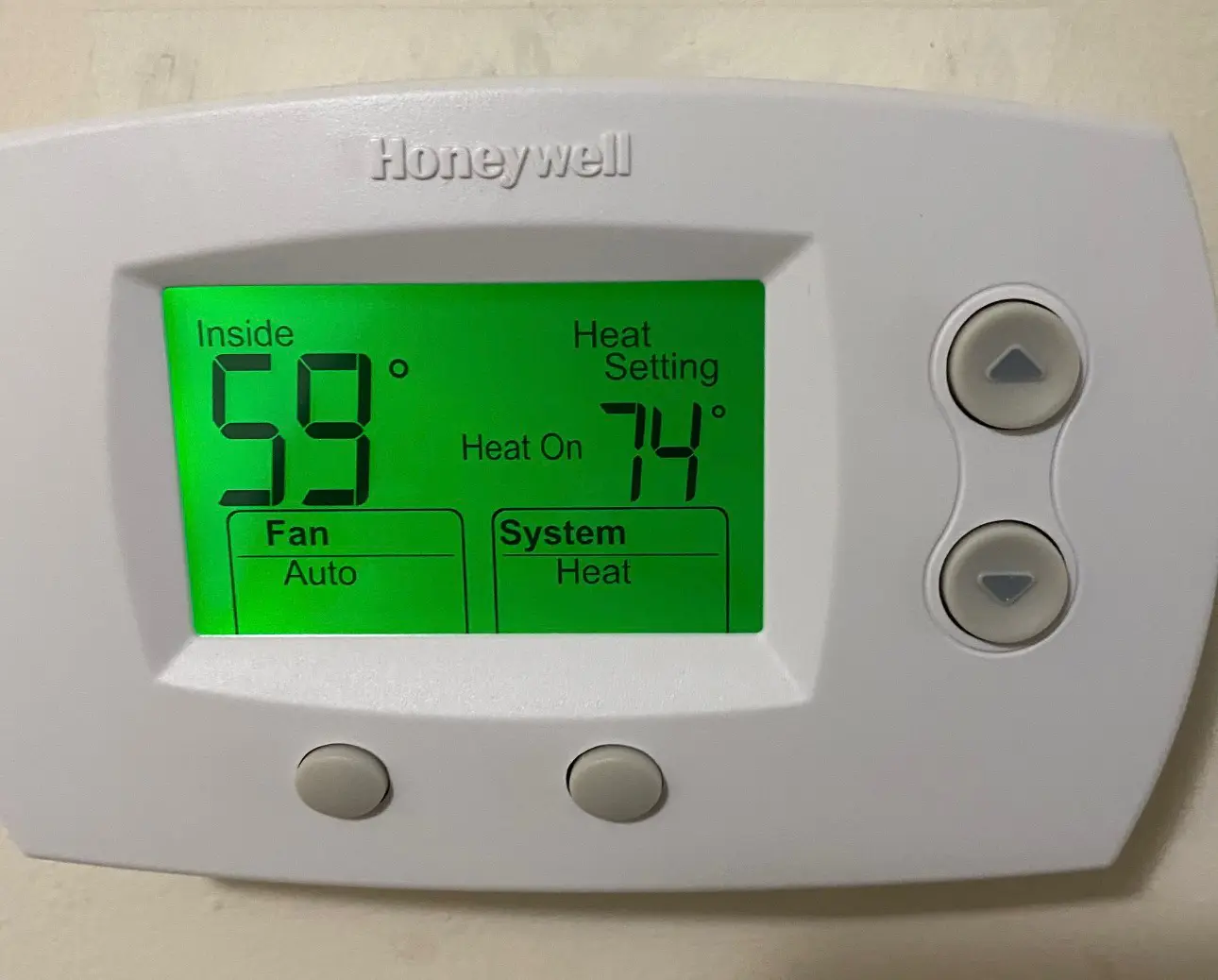
Because the system moves heat instead of creating it with a flame, the supply air is gentler. A furnace sends out a hot blast. A heat pump sends a steady stream of air in the high 80s or low 90s. Your hand is a poor judge. The better test is the thermostat: if the house is holding its setting, or slowly gaining, your heat pump is doing its job even when the air feels cool.
The Defrost Cycle Can Blow Cool Air for a Few Minutes
On a cold, damp morning, frost builds up on the outdoor coil. That is expected in our humid air. Every so often, the system pauses heating and runs a short defrost cycle to melt that frost. For those few minutes, the vents can blow cool air, and you may see steam rising off the unit.
That steam is the frost turning to vapor, and it is normal. We cover it in our post on why your outdoor unit steams and looks like it is smoking. If the cool air lasts about five to ten minutes and the warm air returns, you watched a defrost cycle, not a failure.
Check the Thermostat First
Start at the thermostat, because two of the most common causes behind a cold air call are settings, not parts.
Make sure the mode is set to HEAT. It sounds simple, but after a long cooling season, systems get left on COOL or OFF more often than you would think.
Check the fan setting too. On AUTO, the fan runs only while the system is heating. On ON, it blows around the clock, including between cycles, when the air in the ducts is room temperature. That breeze feels cold even though nothing is broken.
Then set the temperature a few degrees above room temperature and give it time. Big jumps, like five degrees at once, can call in the backup heat strips, which heat fine but use more electricity. Small steps are kinder to the power bill.
Check the Filter and the Vents
Next, check the filter. A filter loaded with a summer of dust, pet hair, and humidity restricts the air the system can move, and weak airflow means weak heat. Slide the filter out and hold it up to the light. If you cannot see light through it, it is done, and a fresh filter takes five minutes to swap in. Worth ruling out before anyone pays for a visit.
While you are at it, open any vents that were closed for the summer, and move rugs and furniture off the return grilles.
Look at the Outdoor Unit
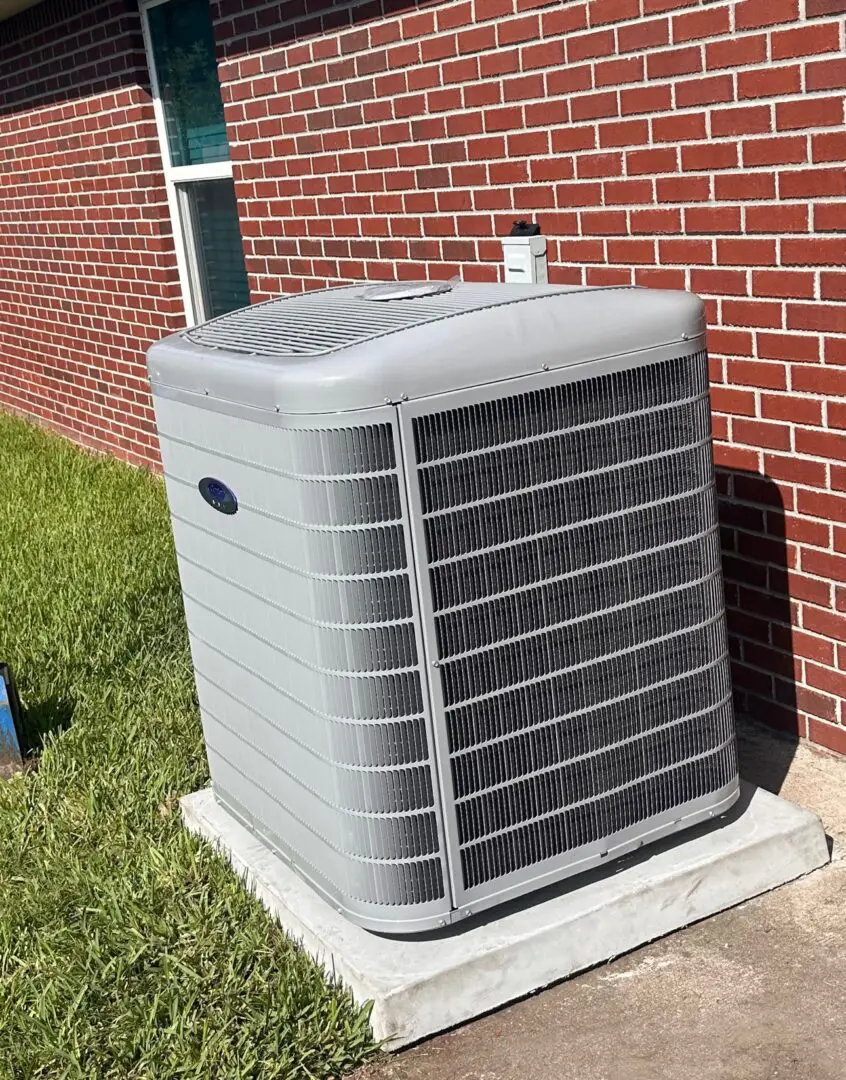
Then step outside to the outdoor unit. A light, even coating of frost on a cold morning is normal, and defrost should clear it on its own. A unit caked in thick ice that never clears is not normal. Ice that builds and stays points to a system that cannot keep up with its own defrosting, and that needs a technician.
Clear away what you safely can by hand: leaves, pine needles, and mulch piled against the coil after storm season, and anything stored against the unit. The coil needs open air on every side to gather heat. A clean, healthy unit looks like the one below.
When the Cause Is a Real Repair
If the settings are right, the filter is clean, and the house is still losing temperature, the cause is likely a part, not a setting. Three show up most often on our cold snap calls.
Low refrigerant. A heat pump that is low on refrigerant cannot carry enough heat indoors, so the air from the vents grows weaker and cooler over days or weeks. The charge usually drops because of a small leak, and adding refrigerant without finding the leak only buys a little time.
A failing reversing valve. This valve switches the system between cooling and heating. When it sticks or fails, the system can keep blowing cool air no matter what the thermostat says.
Backup heat strips not coming on. Electric heat strips inside the air handler back up the heat pump on the coldest mornings and during defrost. If they fail, the heat pump works alone on exactly the nights it needs help most, and the house slowly loses ground.
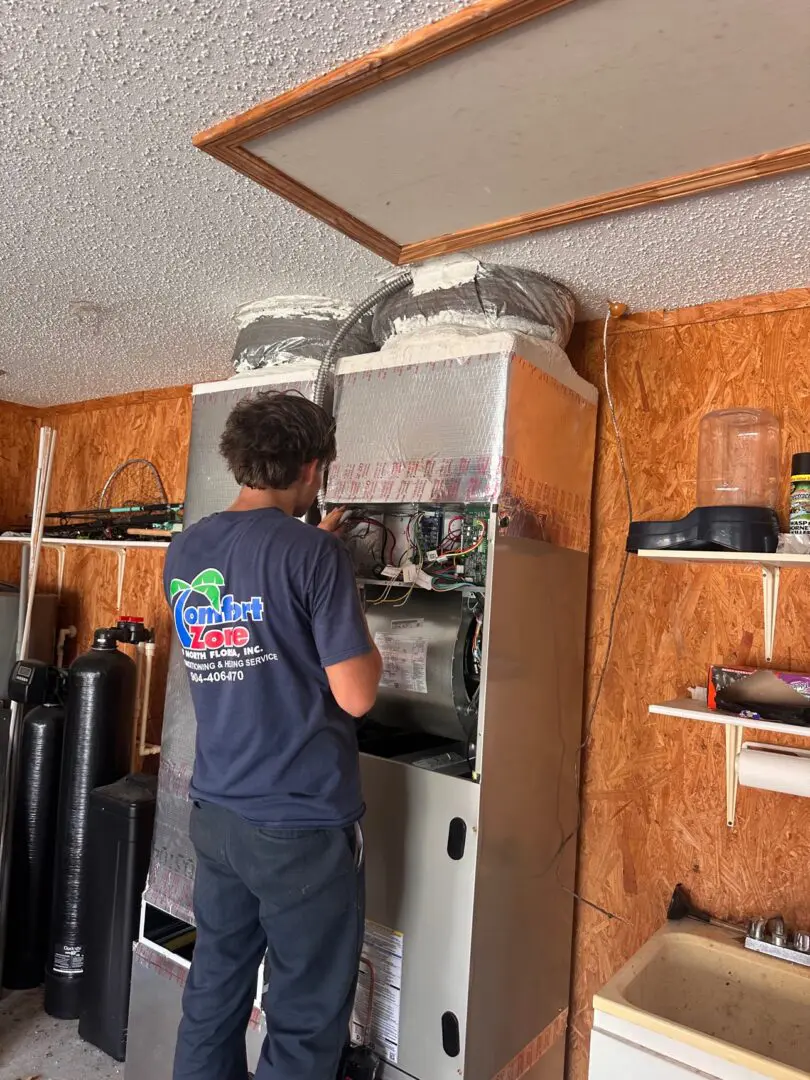
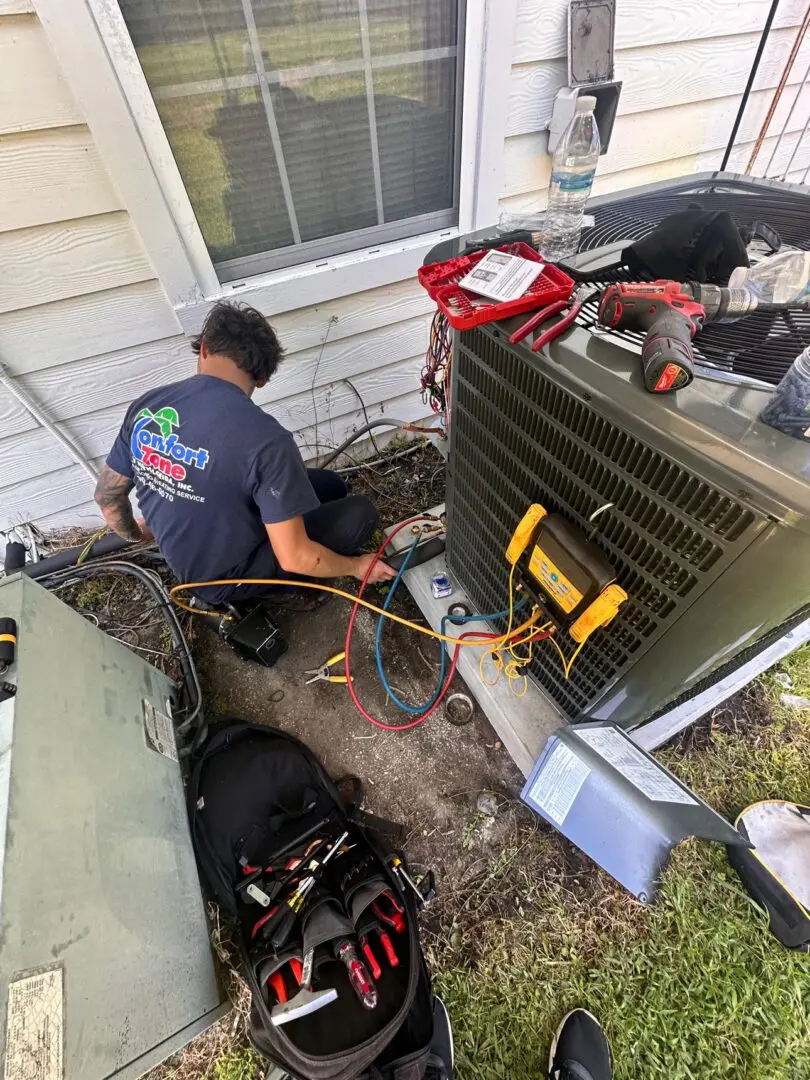
None of these can be confirmed from the vent, and guessing wastes money. That is what our $99 diagnostic is for. A NATE certified, factory trained technician tests the system, finds the real cause, and puts the findings and the repair price in writing, with photos, before any work starts. Our technicians are paid by the hour, never on commission, so the answer you get is the honest one.
When to Stop Checking and Call
Stop troubleshooting and call if the indoor temperature keeps falling, if ice on the outdoor unit does not clear, if the breaker trips, or if the backup heat seems to run for hours in mild weather. Running a struggling system harder rarely helps it.
If your system will not turn on at all, that is a separate situation, and our guide to why a heat pump will not turn on is the better starting point.
Comfort Zone answers around the clock, every day, with online booking that works at 2 AM on the coldest night of the year. Call (904) 406-0070 for heat pump and heating repairs, and we will get a technician out to you.
A Simple Habit Before the First Cold Night
The easiest cold night is the one you rehearsed. Before the first cold snap, turn the heat on for about 15 minutes on a mild fall afternoon and listen. A faint dusty smell on the first run of the season is normal. What you are doing is finding out whether the system heats while there is still time to fix it on a calm day.
A fall maintenance visit covers the heating side before you need it: heat strips tested, defrost controls checked, refrigerant charge verified, and the filter and drain line handled. It is the same thinking as testing a flashlight before the storm instead of during it.
Comfort Zone of North Florida is locally owned, has served Jacksonville and Yulee since 2009, and our neighbors have left us Over 1,400 Google reviews. If your heat pump has you guessing this winter, we would rather teach you what is normal, and fix only what is broken.
Tags: