
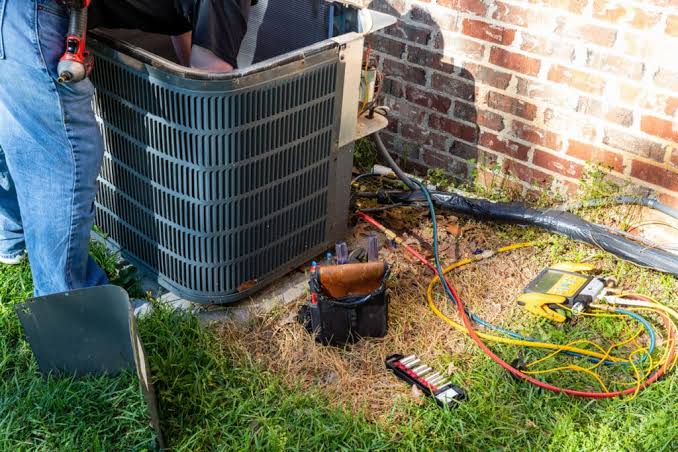
How Does High Coastal Humidity Impact HVAC Performance in Jacksonville Homes?
Jacksonville experiences intense summer heat paired with heavy ocean humidity throughout much of the year. High moisture levels in North Florida force cooling equipment to work twice as hard to extract moisture from indoor air. Overlooking this continuous operational strain causes sensitive internal components to degrade far quicker than anticipated. Persistent ocean air and high condensation rates accelerate metal corrosion across vital parts. Moisture accumulation clogs primary drain lines while humidity strains internal motor windings.
When property owners fail to maintain steady circulation, severe internal restrictions overload the main blower assembly. Addressing these subtle environmental pressures early protects indoor air quality and stops minor operational stress from escalating into total equipment failure.
Why Do Jacksonville Air Conditioners Fail During High-Humidity Months?
Summertime in coastal Florida forces residential cooling units to operate continuously near maximum capacity. When airborne dust and pollen blend with heavy indoor humidity, thick grime collects across dark evaporator coils. This dense thermal barrier blocks heat transfer, forcing the central compressor to draw dangerously high electrical currents to reach target thermostat settings. When refrigerant lines drop below normal operational temperatures due to restricted airflow, heavy ice builds along the suction line and shuts down system operation entirely.
Addressing this cooling breakdown requires prompt air conditioning repair before ice accumulation damages internal valve assemblies. Licensed technicians clear blocked drain pans and restore balanced operating pressures across the system. They also eliminate dangerous electrical imbalances that threaten long-term motor life. Swift attention to rising indoor temperatures prevents secondary moisture damage to nearby drywall and internal building materials.
How Does Overlooking Routine System Inspections Accelerate Mechanical Wear?
Complex cooling equipment contains dozens of moving parts that require regular lubrication, electrical testing, and sensor calibration. When a system runs month after month without technical checks, small electrical imbalances go completely unnoticed. Loose wiring leads to voltage spikes that burn out sensitive control boards, while uncalibrated sensors cause the compressor to cycle on and off too rapidly.
System longevity relies on consistent HVAC maintenance to identify mechanical friction before permanent part failure occurs. Scheduled inspections clear organic growth from condensate drain lines, tighten terminal connections, and clean dirty blower assemblies. When homeowners schedule routine service, the cooling unit maintains steady energy consumption instead of drawing excess utility power. Investing in annual preventative maintenance eliminates sudden system failures during heatwaves, preserving consistent indoor comfort across every room.
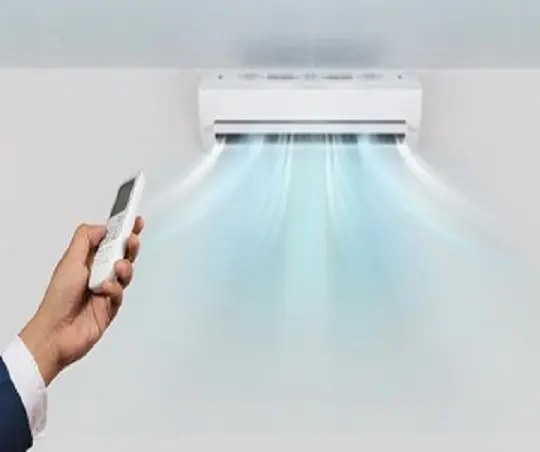
What Causes Unexpected Winter Heating Failures in North Florida Homes?
While coastal summers demand heavy cooling performance, occasional winter cold snaps in Jacksonville put sudden mechanical stress on heat pumps and furnaces. Equipment that sits idle during warm months accumulates thick dust across heat exchangers and electrical heating elements. When sudden freezing temperatures arrive, starting an unserviced system causes short circuits, burning odors, or total ignition failure.
Ignoring early warning signs like burning odors or strange mechanical rattling leads to complete system shutdowns during winter cold spells. Securing expert heating repair resolves faulty igniters, replaces cracked heat exchangers, and recalibrates reversing valves on heat pumps. Timely heating service restores safe, clean airflow, keeping indoor environments cozy without raising monthly electrical bills.
Why Is Professional Equipment Placement Essential for Long-Term Efficiency?
An outdated or improperly sized cooling system consumes excessive power while struggling to pull moisture out of indoor air. Oversized units turn on and off too fast, leaving high humidity behind and creating a damp indoor environment. Conversely, undersized equipment runs continuously without stopping, overheating internal coils and drastically shortening total equipment lifespan.
Selecting a new system requires precise calculations based on living area square footage, insulation values, and window exposure. Executing a correct air conditioning installation ensures the blower motor, ductwork, and outdoor condenser match the exact cooling demands of the home. Proper equipment sizing creates balanced airflow, reduces monthly electric bills, and maintains comfortable indoor humidity levels year-round.
Since 2012, Comfort Zone of North Florida Inc. has supplied the technical skill required to protect residential and commercial spaces from the rigorous demands of North Florida’s climate. Partner with the honest, local professionals to evaluate your equipment and stop coastal wear from threatening your home’s year-round comfort.

Tags: