
Why Does the Jacksonville, FL Climate Demand Proactive HVAC Maintenance?
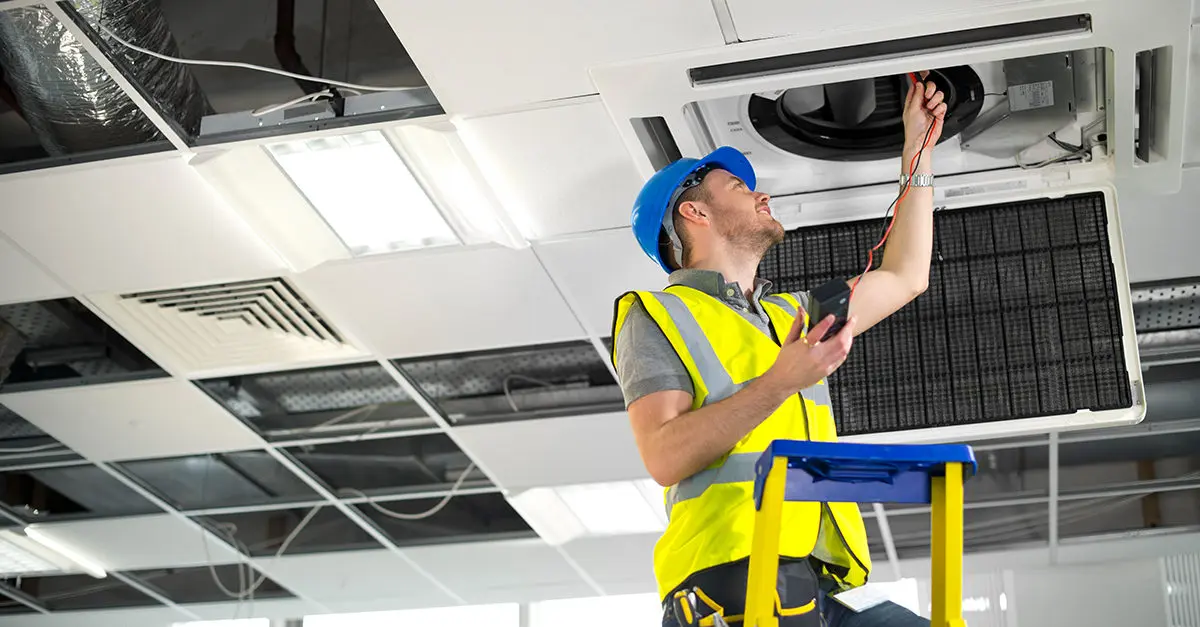
The subtropical environment of Jacksonville creates distinct challenges for residential and commercial mechanical systems. High ambient humidity combined with airborne salt particles accelerates the oxidation of critical cooling components. When moisture accumulates on aluminum fins and copper coils, a chemical reaction occurs that triggers corrosion. This degradation restricts heat transfer, forcing systems to run longer cycles to achieve the desired thermostat settings.
As these cycles extend, the constant operation places an immense physical burden on the interior fan motors and electrical relays. The continuous electrical current generates internal heat buildup that slowly compromises the insulation protecting the motor windings. Over time, this thermal stress leads to micro-fissures in the wiring, which diminishes the overall electrical efficiency of the unit. The system then requires progressively more power to move the same volume of air through the structure. Eventually, this compounding mechanical strain leads to unexpected system halts during the absolute hottest periods of the summer. Consistently addressing these localized environmental threats keeps the entire mechanical setup running smoothly despite the harsh coastal atmosphere.
Prolonged run times elevate internal temperatures within the compressor, which causes the lubricating oil to break down prematurely. As the oil loses its viscosity, mechanical friction increases, leading to component failure. Property owners who overlook the initial signs of system strain find that minor efficiency losses quickly escalate into total system shutdowns. Regular attention to these environmental factors keeps mechanical systems operating within their ideal parameters and demonstrates why investing in specialized air conditioning services remains vital for structural preservation.
Why Do Indoor Air Quality Levels Decline During Peak Summer Months?
High outdoor humidity directly influences the conditions inside a structure. When a cooling system struggles to remove moisture from the air, interior humidity levels rise above the ideal fifty-percent threshold. This damp environment promotes biological growth within ductwork and on drywall surfaces. As spores and dust mites proliferate, the air becomes saturated with allergens, which compromises the health of the occupants.
Decreased air quality also results from restricted airflow through dirty filtration media. When particulate matter blocks a filter, the blower motor works harder to draw air, creating a negative pressure zone that pulls unfiltered air from crawlspaces or attics into the living space. Introducing airborne contaminants into the ventilation loop reduces comfort and strains the entire system. Implementing comprehensive purification strategies stops this cycle, maintaining clean breathability throughout the property with targeted HVAC services.
What Triggers Sudden Mechanical Failures in Heating and Cooling Systems?
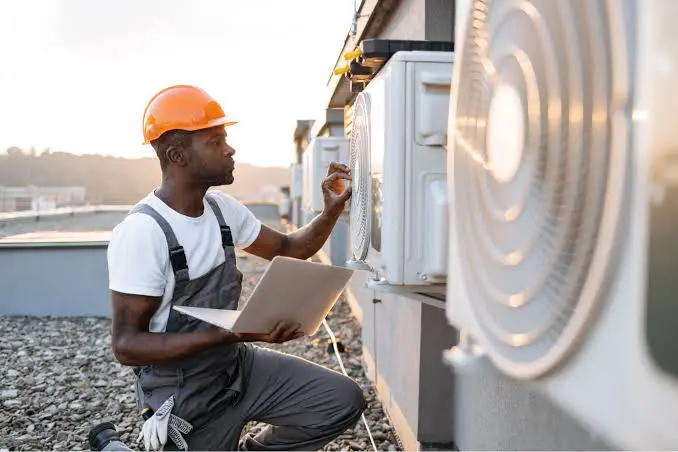
Sudden system failures rarely happen without prior warning signs. Neglecting basic tasks, such as replacing clogged filters or clearing debris from outdoor units, restricts the necessary airflow that keeps the system stable. Without sufficient air moving over the evaporator coil, the refrigerant temperature drops below freezing, causing ice to form across the metal components.
The ice acts as an insulator, blocking heat absorption and causing liquid refrigerant to flood back into the compressor. Because liquids do not compress, this action destroys the internal valves of the pump. The resulting breakdown requires major mechanical intervention. Relying on professional AC and heating repairs to address airflow restrictions immediately prevents these cascading mechanical failures, protecting air conditioners from irreversible internal stress.
How Does Seasonal Maintenance Prevent High Monthly Utility Expenses?
A system operating with worn electrical contacts or failing capacitors consumes more electricity to achieve baseline performance. When electrical resistance increases, the voltage drops, forcing the system to draw higher amperage to power the fan motors. This increased power consumption registers directly on monthly utility statements, raising operational costs for the property owner. Regular electrical calibrations correct these inefficiencies before they impact overall energy utilization. Over time, addressing these minor electrical variances protects the entire mechanical setup from unnecessary operational friction.
Scheduled maintenance corrects these inefficiencies before they impact energy consumption. Cleaning the condenser coils reduces the head pressure of the compressor, allowing it to move refrigerant with less electrical energy. Correcting loose wiring and testing electrical draws on heating and cooling equipment keeps the unit running at its optimal factory rating. Managing these traditional setups alongside auxiliary moisture control like dehumidifiers, advanced mechanical ventilators, or high-efficiency Geothermal Heat Pumps forms a protective barrier against energy spikes. This proactive approach keeps energy consumption stable and predictable throughout the year.
Comfort Zone of North Florida, Inc. has supplied the technical knowledge required to stabilize indoor environments against the volatile coastal weather of Northeast Florida. Sustaining peak climate performance requires a close alignment with skilled specialists who evaluate every component against local operational stress. Targeting small maintenance needs early breaks the cycle of system degradation before it compromises daily comfort or operational efficiency.

Tags: