
How Does Blown‑In Insulation Protect Yulee Homes from Summer Heat and Storms?
High Temperatures Increase Cooling Costs in Yulee Homes
July in Yulee brings average highs of 31–33 °C with humidity often exceeding 65%, creating a climate that challenges household cooling systems. When insulation is lacking, heat penetrates attic floors and wall cavities, allowing warm air to spread throughout living spaces. Cooling systems are then forced to operate longer and harder, consuming more electricity in the process. This extended operation raises utility bills and places strain on equipment. The strain often shortens system lifespan and increases the need for maintenance. Families notice uneven comfort, with some rooms remaining hotter despite continuous cooling. Energy use rises steadily during peak summer months, adding financial pressure. The combination of heat and humidity makes indoor conditions uncomfortable and difficult to manage. Residents experience frustration as cooling systems fail to deliver consistent relief. Proper insulation interrupts this cycle, restoring balance and efficiency across the home.
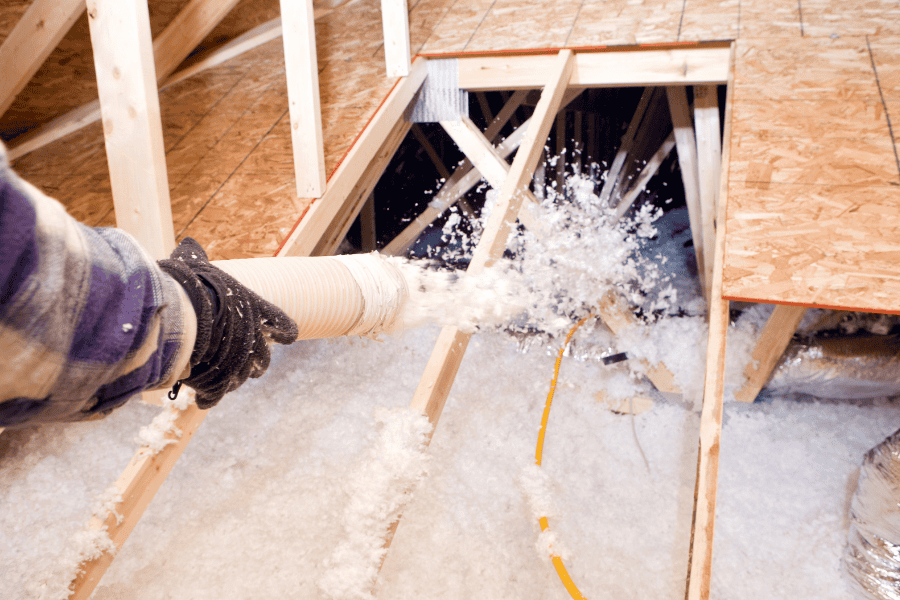
Blown‑in insulation changes this outcome. Loose‑fill materials settle into gaps that traditional insulation leaves exposed, reducing heat transfer and stabilizing indoor temperatures. By preventing excess heat from entering the home, cooling systems no longer struggle to maintain balance. The result is lower energy bills and consistent comfort throughout every room.
How Do Afternoon Thunderstorms Affect Indoor Comfort?
Frequent summer storms raise moisture levels throughout Yulee, creating conditions that challenge household comfort. Without insulation acting as a barrier, humidity penetrates attic spaces and wall cavities, spreading moisture into living areas. The effect is uneven cooling that leaves some rooms damp and uncomfortable. Condensation forms in hidden spaces, increasing the risk of structural damage. Over time, this moisture encourages mold growth that threatens both property and health. Families notice musty odors and reduced air quality during prolonged storm activity.
Cooling systems struggle to balance indoor conditions, consuming more energy in the process. Rising humidity makes it harder to maintain consistent comfort across the home. Indoor air quality systems stabilize humidity by filtering excess moisture and airborne particles. The result is balanced indoor conditions even during peak summer storms.
How Does Extended Sunlight Make Homes Harder to Cool?
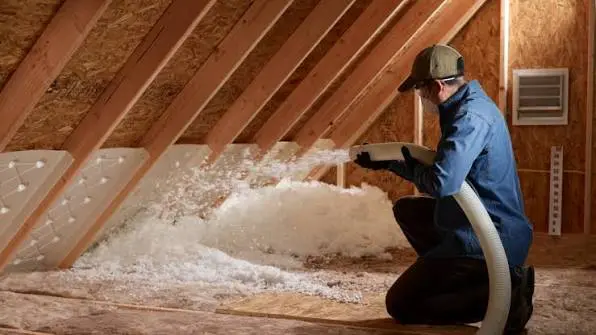
With nearly 14 hours of daylight in July, roofs and attics absorb heat throughout the day. If insulation is lacking, this heat radiates into living spaces, creating hot spots and making cooling inefficient.
Smart thermostat installation allows cooling systems to respond efficiently to these conditions. By adjusting temperatures automatically, smart thermostats reduce wasted energy and keep homes consistently comfortable.
How Do Residential Installations Improve Energy Efficiency?
Energy efficiency is directly tied to how well a building resists heat transfer and manages cooling demand. In Yulee’s climate, cooling systems often run at maximum capacity throughout the summer months. Without proper upgrades, the effect is wasted energy and higher utility bills that strain household budgets. Rising demand places stress on equipment, leading to more frequent maintenance and shorter system lifespans.
Families notice uneven comfort as some rooms remain hotter despite continuous cooling. This imbalance creates frustration and reduces overall living quality. Electricity use climbs steadily during peak periods, adding financial pressure to homeowners. Modern equipment installed through residential installations air and heating lowers consumption by operating more efficiently. The effect is measurable savings that accumulate month after month. Improved performance also supports sustainability by reducing unnecessary energy waste.
Why Is Professional Installation Important?
Attempting insulation or HVAC upgrades without proper equipment can pose health risks and lead to uneven coverage. The effect of improper installation is compromised efficiency and reduced comfort across the home. Gaps left in attic floors or ductwork allow heat and humidity to penetrate living spaces. Cooling systems then operate longer, consuming more energy and raising utility bills. Uneven installation also creates hot and cold spots that frustrate families. Moisture buildup increases the risk of mold growth and structural damage.
Incorrect specifications shorten equipment lifespan and lead to frequent repairs. Indoor conditions become unstable, forcing systems to work harder than necessary. The result is long‑term comfort and reliable efficiency for Yulee properties.
Comfort Zone continues to be the trusted partner for homeowners and businesses across Northeast Florida. Each service, whether improving indoor air quality, installing smart thermostats, or delivering residential and commercial air and heating solutions, is designed to meet the region’s unique climate demands. Choosing Comfort Zone means investing in reliable expertise that prevents heat, humidity, and moisture from disrupting daily comfort.

Tags: