
Tips for Extending Your HVAC System’s Lifespan
Tips for Extending Your HVAC System’s Lifespan
A new HVAC system is one of the largest investments a homeowner makes, often costing several thousand dollars to install. Naturally, you want it to last as long as possible. The typical AC system in Florida lasts 10 to 15 years, while gas furnaces and heat pumps can run 15 to 20 years or longer with proper care. The difference between getting 10 years out of your system and getting 18 often comes down to a handful of habits and a little professional attention.
Comfort Zone of North Florida helps homeowners across Jacksonville, Yulee, Mandarin, Orange Park, and the surrounding communities maximize the lifespan of their HVAC investment. Here are the most effective tips to make your system last.
Schedule Professional Maintenance Twice a Year
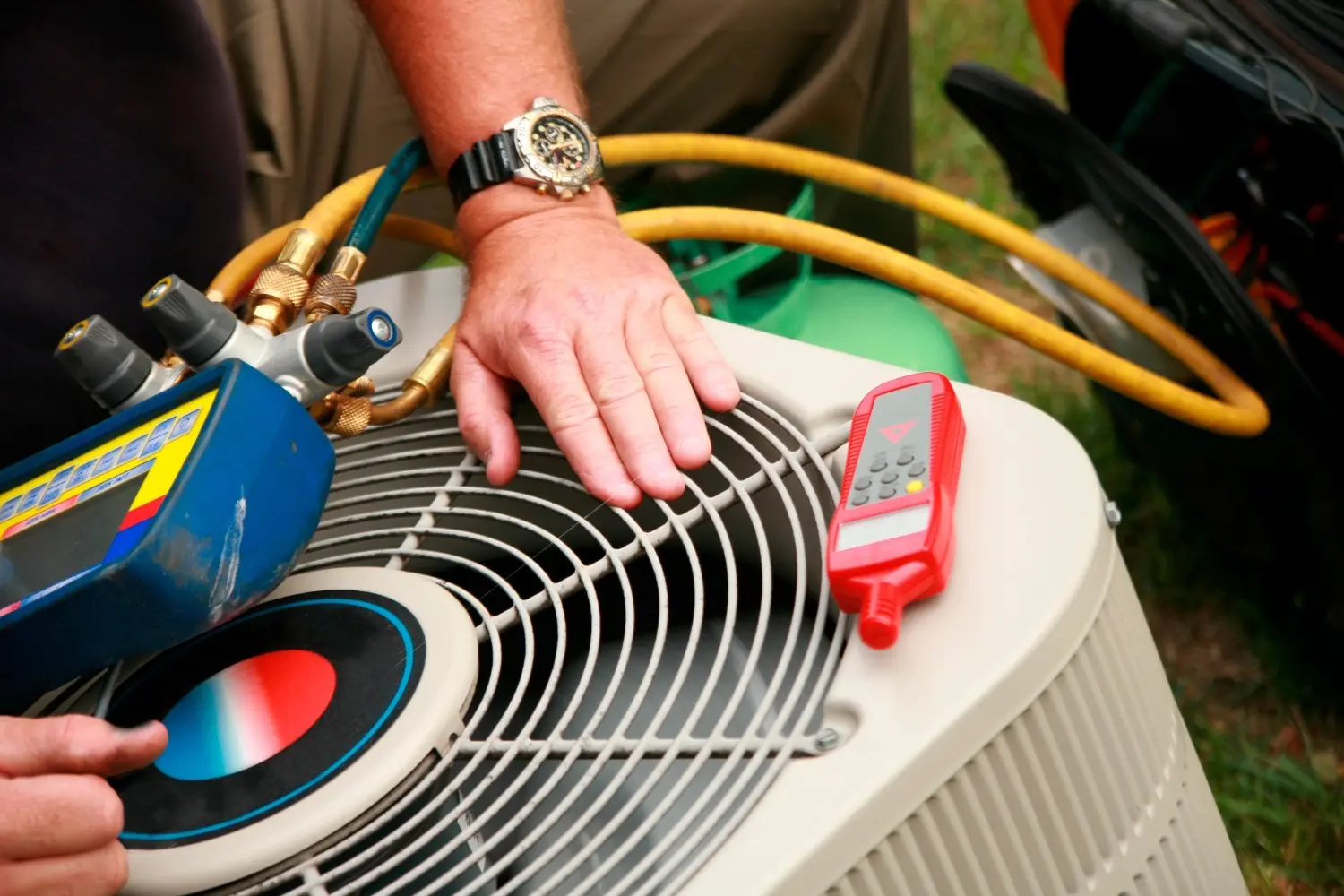
The single most important habit for extending HVAC life is regular professional maintenance. Most manufacturers recommend two tune-ups per year, one in spring for the AC and one in fall for the heating system. During each visit, your technician checks refrigerant levels, cleans coils, inspects electrical components, tests safety controls, lubricates moving parts, and identifies wear before it causes a breakdown.
According to industry studies, regular maintenance can extend HVAC equipment life by several years and reduce major repair costs by up to 95 percent. Our overview of annual HVAC inspections explains what a thorough visit covers.
Change Air Filters on a Set Schedule
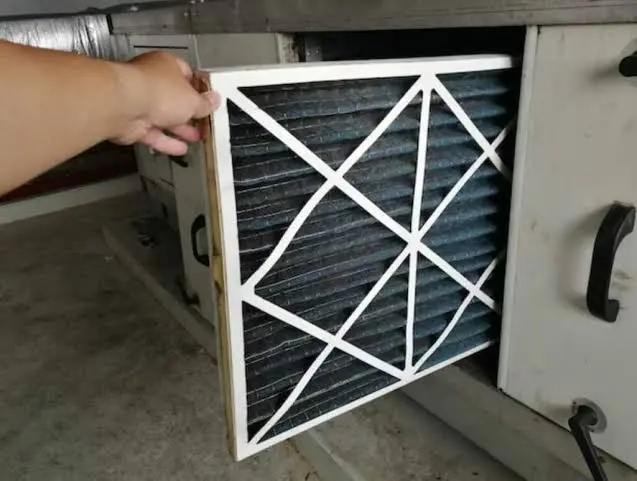
A clean filter is essential for protecting your equipment. When the filter is clogged, the blower works harder, the coil collects more dust, and every component faces extra strain. For most Florida homes, plan on monthly filter changes during heavy AC use and every 60 to 90 days for pleated and high-efficiency filters.
This single habit alone can extend equipment life by years.
Keep the Outdoor Condenser Clean and Clear
Your outdoor condenser needs proper airflow to release heat efficiently. Keep at least two feet of clearance on all sides, trim back vegetation, and rinse the coil gently with a garden hose every few months to remove pollen, dirt, and salt buildup. Coastal homes especially benefit from regular cleaning to slow down salt corrosion.
Avoid pressure washers, which can bend the delicate fins and create more problems than they solve.
Address Small Issues Before They Become Big Ones
The fastest way to shorten HVAC lifespan is to ignore early warning signs. A weak capacitor that struggles to start the compressor today can lead to a complete compressor failure tomorrow. A small refrigerant leak left alone can damage the entire system. A clogged drain line can cause water damage to the air handler and surrounding area.
Pay attention to unusual noises, weak airflow, longer cooling cycles, water around the unit, strange smells, and higher than expected bills. Each of these is the system asking for help, and ignoring the request always costs more in the long run.
Maintain Proper Humidity Levels
Florida humidity is hard on HVAC equipment. Constant moisture accelerates corrosion, encourages biological growth on coils, and stresses electrical components. Managing humidity with proper system sizing, whole-home dehumidifiers, and good ventilation reduces this strain dramatically. Our blog on how Florida humidity impacts HVAC performance covers this in detail.
Use a Smart Thermostat
A smart thermostat does more than save energy. It reduces unnecessary wear on the equipment by avoiding extreme temperature swings, learning when you actually need heating or cooling, and giving you visibility into how the system is performing. Many smart thermostats can even alert you when something is not right, like longer than usual cycles or unusual energy spikes.
Avoid Setting the Thermostat Too Low
Pushing the thermostat to 65 or 68 degrees during a Florida heat wave does not make the system cool faster. It only forces the AC to run nonstop without ever reaching the target, which dramatically increases wear on the compressor and other components. A reasonable setting of 76 to 78 degrees lets the system actually meet its target and rest between cycles, which is much easier on the equipment.
Seal Air Leaks and Insulate Properly
A leaky home with poor insulation forces your HVAC system to run more hours to maintain comfort, which means more wear and a shorter lifespan. Sealing leaks around windows, doors, attic hatches, and ductwork takes some of the burden off the system. Combined with adequate attic insulation, these improvements extend equipment life while lowering bills. Our duct sealing service helps homeowners address one of the biggest sources of HVAC strain.
Protect Against Power Surges
Florida thunderstorms bring frequent power surges that can damage HVAC electrical components, especially the compressor and control board. A whole-home or dedicated HVAC surge protector is inexpensive insurance that prevents thousands of dollars in damage and adds years of safe operation to your equipment.
After a major storm, it is also wise to check that your system is running normally rather than assuming all is well.
Use Ceiling Fans to Reduce HVAC Runtime
Ceiling fans do not cool the air, but they make rooms feel several degrees cooler. Using fans in occupied rooms lets you raise the thermostat without losing comfort, which means fewer runtime hours for your AC. Less runtime translates directly into less wear and a longer lifespan.
Clean Your Ductwork Periodically
Dirty ducts force the system to work harder, restrict airflow, and create the conditions for premature failure. Professional vent and duct cleaning every three to five years keeps the entire system breathing freely. Homes with pets, allergies, or recent renovation may need it more often.
Pay Attention to System Sizing During Replacement
When the time comes to replace your equipment, resist the temptation to “go bigger.” An oversized AC short cycles, removes less humidity, and wears out faster. A properly sized system runs longer, more even cycles that actually deliver better comfort and a longer lifespan. Insist on a Manual J load calculation when replacing equipment, not just a quote based on the size of the old system.
Treat Your HVAC Like the Investment It Is
Most homeowners think about their HVAC system only when something goes wrong. The ones who get 18 or 20 years out of their equipment think about it consistently. Regular maintenance, attentive habits, and quick action on small issues all compound into years of additional service.
If you want help putting together a long-term HVAC care plan for your home, Comfort Zone of North Florida is here. Call us at (904) 406-0070 to schedule a tune-up or talk through your options.

Tags: