
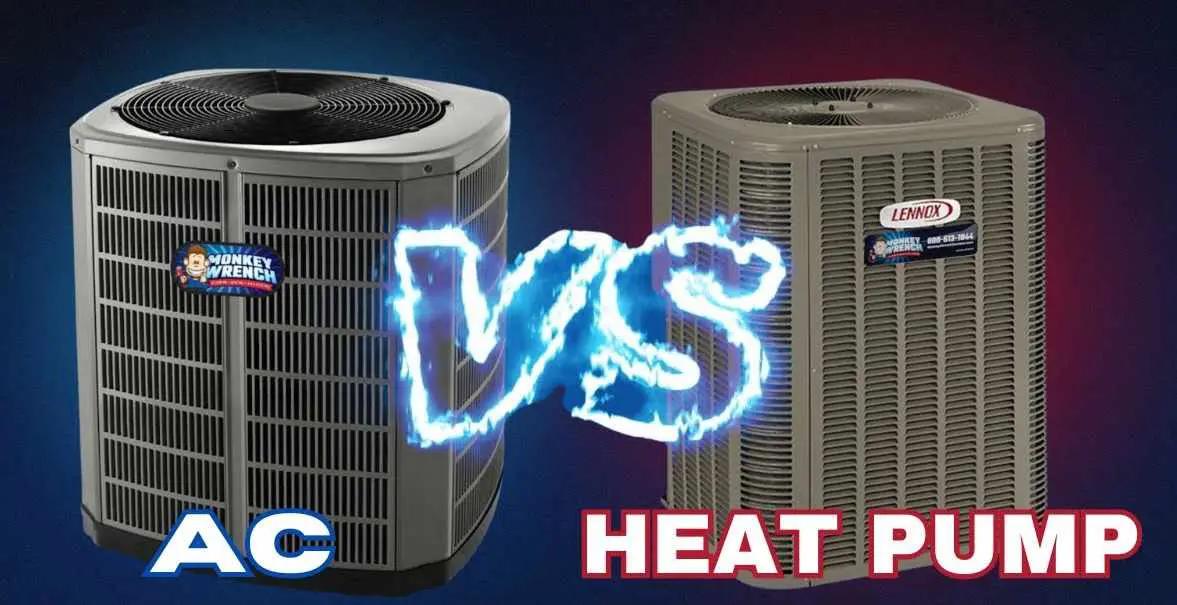
AC vs. Heat Pump: Which Is Right for Your Home?
If you are in the market for a new heating and cooling system for your home in Jacksonville, Yulee, or anywhere in Northeast Florida, you have likely come across two common options: a traditional air conditioner paired with a furnace, and a heat pump system. Both can keep your home comfortable, but they work in fundamentally different ways and offer distinct advantages depending on your climate, home setup, and energy goals.
Understanding the differences between these two systems can help you make a smarter investment that delivers long-term comfort and savings.
How a Traditional Air Conditioner Works
A traditional central air conditioning system uses a refrigerant cycle to remove heat from the air inside your home and release it outside. The system consists of an outdoor condenser unit, an indoor evaporator coil, and a network of ductwork that distributes cooled air throughout your home.
When temperatures drop in winter, a separate heating system is needed. In many Florida homes, this is either an electric furnace or a gas furnace that generates heat independently of the air conditioning system. The two systems share the same ductwork and thermostat but operate as completely separate units.
How a Heat Pump Works
A heat pump looks and operates similarly to an air conditioner during the summer months—it uses the same refrigerant cycle to cool your home by removing indoor heat and releasing it outside. The key difference is that a heat pump can reverse this process in winter.
Instead of generating heat through combustion or electric resistance, a heat pump extracts heat from the outdoor air and transfers it inside your home. Even when outdoor temperatures are cool, there is still enough thermal energy in the air for a heat pump to work effectively. This makes heat pumps an extremely efficient heating option in mild to moderate climates like Northeast Florida.
Energy Efficiency Comparison
One of the biggest advantages of a heat pump over a traditional AC-plus-furnace setup is energy efficiency, particularly during the heating season. Because a heat pump moves heat rather than generating it, it can deliver two to three times more heating energy than the electrical energy it consumes. This makes it significantly less expensive to operate than an electric furnace, which converts electricity to heat at a one-to-one ratio.
During the cooling season, modern heat pumps and air conditioners perform at comparable efficiency levels. Both are rated using the SEER2 standard, and high-efficiency models of either type can achieve similar ratings. The main efficiency advantage of a heat pump shows up during the months when heating is needed.
For Jacksonville-area homeowners who rely on electric heating, switching to a heat pump can result in noticeable savings on winter utility bills without sacrificing comfort.
Climate Considerations for Northeast Florida
Heat pumps are most efficient in climates where winters are mild—which makes Northeast Florida an excellent fit. While temperatures occasionally drop into the thirties during cold snaps, the region rarely experiences extended periods of extreme cold that would challenge a heat pump’s ability to extract heat from the outdoor air.
In northern states where temperatures frequently fall below freezing, heat pumps may require a supplemental heating source to maintain comfort during the coldest days. In our area, this is rarely a concern, making heat pumps a practical and efficient year-round solution for most homes.
Installation and Cost Differences
The upfront cost of a heat pump system is generally comparable to a traditional AC-plus-furnace setup, though it can vary depending on the specific models chosen and the complexity of the installation. One advantage of a heat pump is that it is a single system that handles both heating and cooling, which can simplify installation and reduce the total number of components that need maintenance over time.
If your home already has a gas furnace and you are happy with its performance, replacing only the air conditioner with a standard AC unit may be the more straightforward and cost-effective choice. However, if you are replacing both your heating and cooling systems, or if your home uses electric heating, a heat pump is often the better long-term investment.
Dual Fuel Systems
For homeowners who want the best of both worlds, a dual fuel system combines a heat pump with a gas furnace. The heat pump handles heating during mild weather, when it operates most efficiently, and the gas furnace takes over during the coldest days when the heat pump’s efficiency decreases. This setup maximizes energy savings while ensuring consistent comfort even during the most extreme cold snaps.
Dual fuel systems are an excellent option for homes that already have gas service and want to take advantage of heat pump efficiency without giving up the reliability of a gas furnace.
Which System Is Right for Your Home?
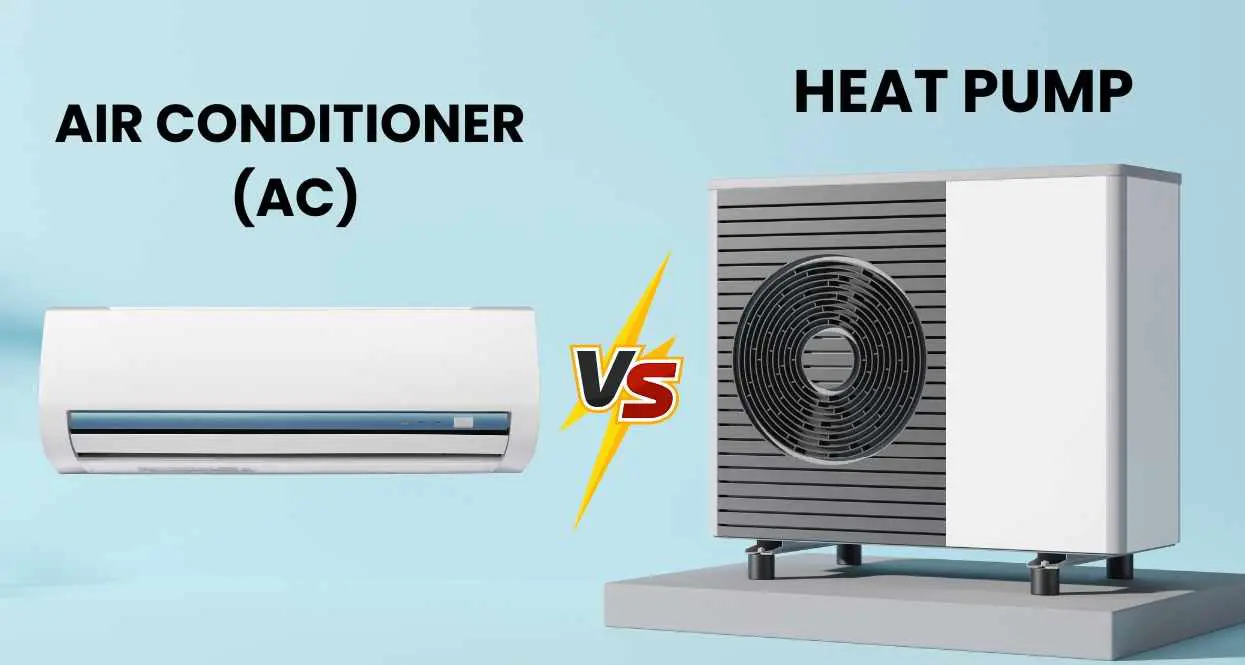
The best choice for your home depends on several factors, including your current heating fuel type, your home’s insulation and ductwork condition, your budget for upfront costs versus long-term operating costs, and your personal comfort preferences.
At Comfort Zone of North Florida, our technicians can evaluate your home and help you determine which system offers the best combination of comfort, efficiency, and value for your specific situation. We install and service both traditional AC systems and heat pumps, and we will give you an honest recommendation based on your needs—not on sales quotas.
Make the Right Choice for Your Home
Choosing between an air conditioner and a heat pump is an important decision that will affect your comfort and energy costs for years to come. Let the experts at Comfort Zone of North Florida Inc. help you make the right choice. Call us at (904) 406-0070 or visit our website to schedule a free in-home consultation today.

Tags: