
The Landscaping Around Your AC Matters More Than You Think
The Landscaping Around Your AC Matters More Than You Think
Nobody wants to look at their outdoor condenser unit. It is boxy, industrial, and it hums. So most homeowners plant something around it. Ornamental grasses, hedges, mulch beds, the occasional decorative screen. The problem is that a lot of what looks good actually hurts your AC performance and shortens the life of the equipment. In Florida especially, where AC units run harder and longer than almost anywhere else in the country, giving the outdoor unit room to breathe pays off in real, measurable ways.
Comfort Zone of North Florida sees the results of both good and bad landscaping choices all the time. Here is a plain guide to what actually works around your condenser.
Why the Outdoor Unit Needs Space
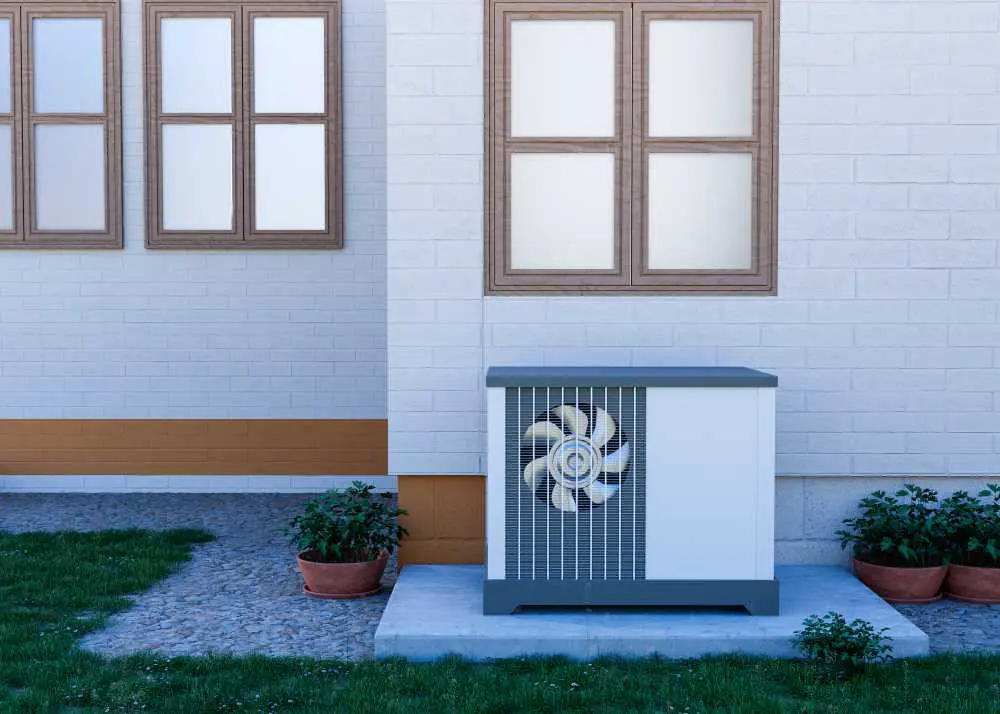
Your outdoor condenser has one job. It pulls air across a big coil to release the heat your AC absorbed from inside your home. When plants, mulch, fences, or debris block that airflow, the system cannot dump the heat efficiently. It runs longer, uses more electricity, and works its components harder than they should.
The manufacturer specs on most residential condensers call for at least two feet of clearance on all sides and five feet above. In practice, more is better. Cramped installations always underperform.
What to Avoid Planting Nearby
A few common landscaping choices that homeowners regret later:
Dense shrubs and hedges within a few feet of the unit. Boxwoods, hollies, and viburnums look nice but grow fast, and once they close in on the condenser, airflow drops immediately.
Ornamental grasses that shed constantly. Pampas grass and similar species look striking in Florida yards but throw off dry blades that end up sucked into the coil.
Anything with heavy flower drop or fruit. Bougainvillea, magnolia, and citrus all shed material that clogs coil fins and makes cleaning harder.
Vines. Any vining plant will find its way to the condenser cabinet and start climbing. Once it does, it holds moisture against the metal and speeds up corrosion.
Mulch piled against the unit. Mulch is fine, but keeping it a foot or two back from the pad prevents pests, moisture, and rot from becoming problems.
What Actually Works
Landscaping around an AC unit does not have to be ugly. A few smart choices can hide the equipment while still letting it work:
- Low, slow-growing groundcovers at least three feet away, so they do not encroach on airflow
- Decorative screens with plenty of gap, at least a foot or more away from the unit on all sides
- Container plants you can move if needed for service access
- Gravel or paver borders around the base that keep grass and mulch back
- Small ornamental shrubs that stay under three feet and are planted well away from the unit
The goal is visual break without physical obstruction. Give the unit room to breathe.
Drainage Matters Too
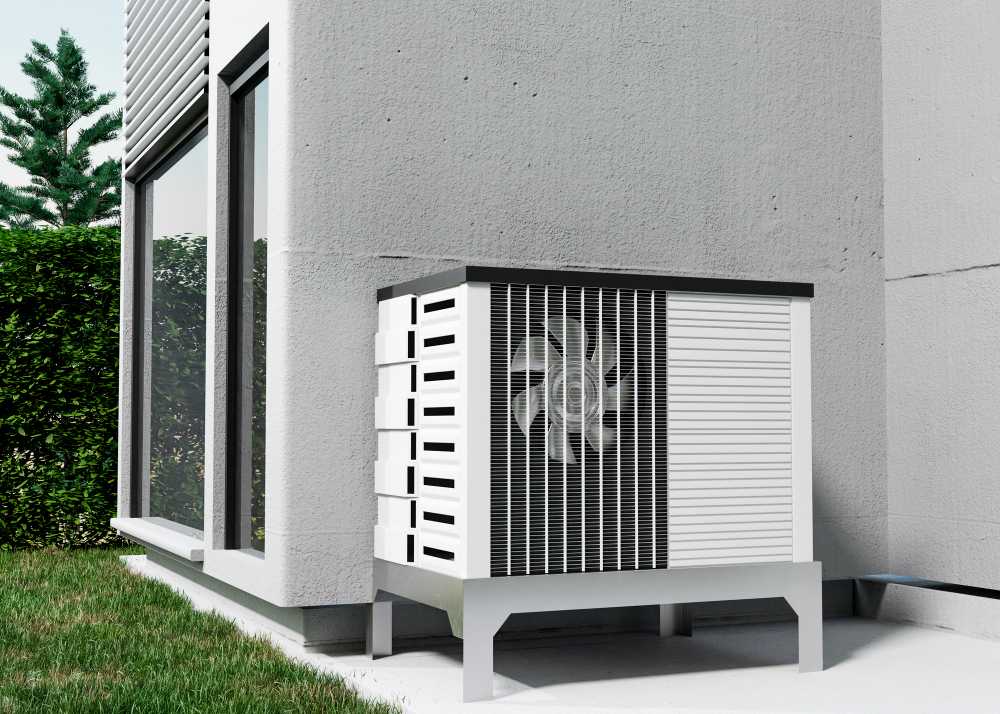
One issue that most homeowners never think about is drainage around the pad. If water pools around the base of the unit after every rain, the cabinet corrodes faster and the electrical components take a hit. Sloping the ground gently away from the pad, adding a small gravel bed underneath, or extending gutter downspouts away from the unit all help.
In lower-lying yards this becomes especially important. If your pad sits in a natural puddle every time it rains, talk to a contractor about raising the unit or improving the drainage.
Keep Trees at a Distance
Trees present a specific set of problems. Falling limbs during storms are the obvious risk, but the ongoing issues are just as important. Leaves, pine needles, seeds, and pollen all land on the coil and work their way into the fins. Sap from certain trees can even coat the fins and make cleaning much harder.
Try to keep tree canopy at least ten feet away from the condenser if you can. Some shade is actually beneficial and can lower the temperature the unit works against, but the falling debris usually outweighs the shade benefit unless the tree is well away from the unit itself.
What About Wind Protection?
Some homeowners in coastal areas build wind fencing or hurricane guards around their condenser. This is a nice idea in theory, but it almost always creates more problems than it solves. Airflow gets restricted, humidity gets trapped against the cabinet, and the unit runs hotter than it should.
If storm protection is the goal, hurricane straps that anchor the unit to the pad are far more effective than wind fencing. In serious storms, moving the unit is not the concern, protecting it from flying debris is, and dense airflow-blocking screens do not accomplish that either way.
Regular Cleanup Habits
Even the best landscaping needs upkeep. Once a month, walk around the outdoor unit and:
- Clear any leaves, sticks, or debris that landed on top or around the base
- Trim back plants that have grown too close
- Gently rinse the coil fins with a garden hose to remove pollen and dust
- Check for signs of pest activity, especially wasps or ants near the electrical connections
Between homeowner attention and annual professional maintenance, most outdoor units easily last their full expected lifespan. Our post on top tips for protecting your outdoor HVAC unit covers additional habits worth building in.
When in Doubt, Ask
If you are planning a landscaping project around your AC or wondering whether existing plantings are hurting performance, we are happy to take a look during a maintenance visit and give straight advice. Give Comfort Zone of North Florida a call at (904) 406-0070 and we will work with you on it.

Tags: