
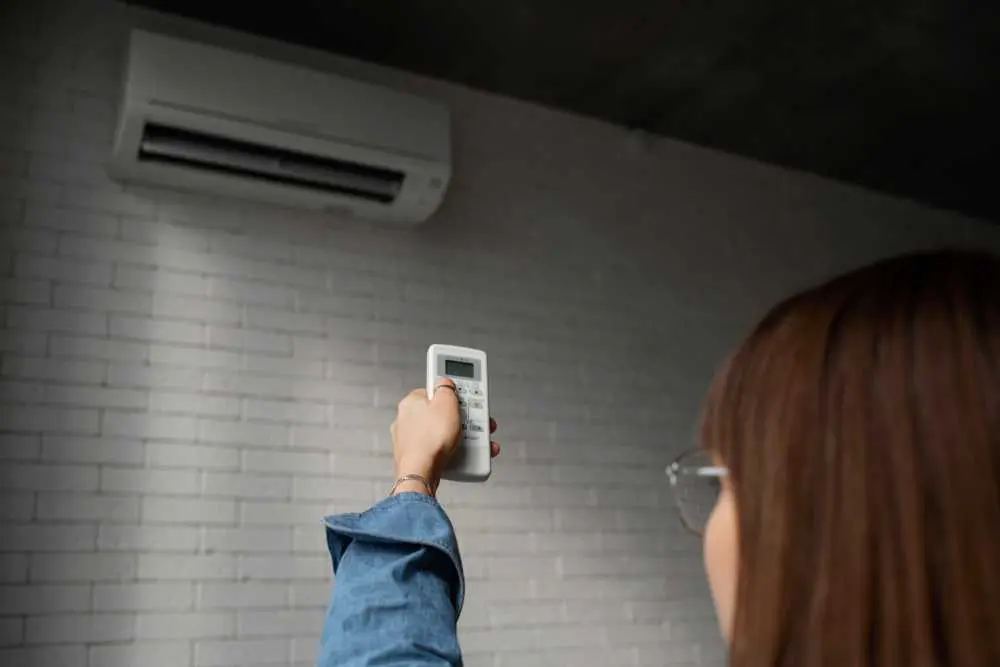
What Every AC Sound Actually Means
A quiet AC is a happy AC. When your system starts making noises you have never heard before, something has usually changed inside the equipment, and the sooner you figure out what is going on, the cheaper it usually is to fix. Some sounds are harmless. Others are the equipment giving you a last warning before something expensive fails. Learning to tell them apart can save you a lot of money and stress.
At Comfort Zone of North Florida, we get a lot of service calls that start with “there is this weird noise.” Here is a plain-language rundown of the most common AC sounds and what each one usually means.
Buzzing
Buzzing almost always points to something electrical. A failing contactor, a capacitor on its way out, loose wiring, or a compressor struggling to start are the usual suspects. Sometimes the buzz comes from the outdoor unit even when the AC is off, which is often a stuck contactor holding voltage where it should not be. Our post on AC buzzing when off in Jacksonville, FL covers this specifically.
Buzzing is not usually an emergency, but it is not something to ignore either. A weak capacitor left alone can lead to compressor damage, which is one of the most expensive parts of the whole system.
Clicking
A single click when the AC starts up or shuts off is normal. That is just the relay engaging. Repeated clicking, though, especially rapid clicking from the outdoor unit, points to a control problem, a bad relay, or a compressor that keeps trying to start and failing.
If you hear rapid clicking followed by silence, do not keep resetting the breaker. That kind of pattern usually means the system is trying to protect itself, and forcing it to run through the fault can cause real damage.
Humming
A low steady hum from the outdoor unit while the AC is running is fine. That is just the compressor and fan doing their jobs. What you do not want is a hum without any actual cooling happening, which usually means the compressor is running but the fan is not, or vice versa. Either scenario stresses the system and needs quick attention.
A hum from the indoor unit could be a blower motor bearing starting to fail, or loose ductwork vibrating slightly against the frame.
Banging or Clanging
Banging is one of the sounds you should never ignore. It usually means something has broken loose inside the compressor or the blower assembly. A loose connecting rod, a piston issue, or a blower wheel that has come out of balance can all produce loud banging sounds.
Once you hear banging, turn the system off and call for service. Continuing to run it almost guarantees more damage.
Screeching or Squealing
High-pitched squealing from the outdoor unit usually points to a bearing problem in the fan motor. From the indoor unit, it often means the blower motor bearings are failing, or that a belt in an older system needs replacement or lubrication.
These sounds tend to start intermittent and get more frequent over time. Catching them early usually means a bearing replacement instead of a whole motor swap.
Hissing
A quiet hiss coming from near the refrigerant lines or the indoor coil is almost always a refrigerant leak. Refrigerant leaks are serious for a couple of reasons. First, your system will lose cooling capacity and eventually stop cooling altogether. Second, refrigerant is expensive to replace, and topping it off without fixing the leak means paying for it again in a few months.
If you hear hissing and notice ice forming on the refrigerant lines or the indoor coil, turn the system off and call a pro. Related reading in our why your AC might blow warm air post walks through what refrigerant issues look like from the vent side.
Rattling
Rattling usually comes from something loose. It could be a loose panel on the outdoor unit, debris caught in the fan, a loose screw somewhere in the cabinet, or an aging compressor whose internal mounts have started to fail.
The easy fix is to check the outdoor unit visually and look for anything obvious, like leaves stuck in the fan or a panel that has worked itself loose. If nothing shows up, the rattle is probably internal and worth having someone look at.
Gurgling or Bubbling
Gurgling in the drain line is usually normal, especially during humid weather when the AC is pulling a lot of water out of the air. What you do not want is gurgling combined with slow drainage or water backing up around the air handler. That combination points to a partially clogged condensate line, which is one of the most common causes of water damage from HVAC systems in Florida homes.
Pouring a cup of distilled white vinegar down the drain line once a month usually keeps this from becoming a problem.
Whistling
Whistling from the vents usually means air is being forced through a restriction somewhere. The most common culprit is a filter that is due for replacement. Occasionally, whistling points to closed dampers, blocked returns, or a ductwork issue that is choking off airflow.
Start with the filter. If that does not solve it, walk through the house and make sure no vents are blocked by furniture or rugs, and that closed doors have enough gap underneath for air to move.
When to Call
Any new sound is worth paying attention to. If a sound started recently, is getting louder, or is combined with weaker cooling, higher bills, or shorter cycles, do not wait. Small problems in HVAC almost always turn into bigger and more expensive problems if you leave them alone.
If your AC has started making noises you cannot identify, give us a call at (904) 406-0070 or reach out through our contact form. We will figure out what is happening and give you honest options.

Tags: