
Why Does the Yulee Coastal Climate Accelerate Commercial HVAC Breakdown?
Commercial facilities operating near Yulee waterways contend with severe atmospheric humidity and airborne moisture year-round. When unconditioned air streams into a facility’s cooling framework, water quickly builds up on critical internal parts like cooling coils and air handler frames. Neglecting this moisture concentration degrades heat transfer capabilities and forces system compressors to run without relief. Over time, continuous mechanical stress causes premature component failure during high-demand operating hours.
Proactive service appointments disrupt this pattern of equipment decay by clearing pooled moisture and balancing system mechanics. Qualified technicians execute precise checks on electrical connections, measure system pressures, and verify fan motor amperage to re-establish proper baseline operations. For local business owners, investing in air conditioning maintenance neutralizes environmental wear, maintaining steady indoor climate control and reducing overall operational overhead.
How Does Condensate Blockage Cause Sudden Facility Shut Downs?
Throughout the summer months, a commercial cooling system pulls dozens of gallons of water daily from a humid indoor space. This moisture drains into designated pans before routing through condensate disposal lines. Across coastal North Florida, rapid microbial growth and airborne debris frequently choke these narrow drainage pipes. When liquid backs up, automatic float safety switches instantly shut off power to prevent water damage to facility ceilings and internal assets.
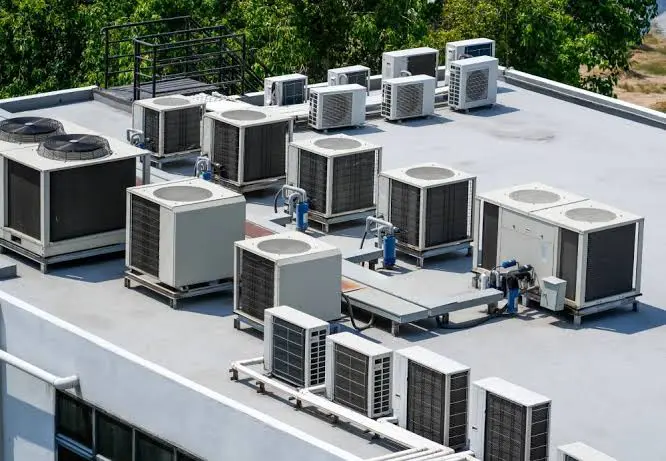
Structured maintenance stops drainage blockages before liquid spills over the primary drain pan. Technical protocols require flushing condensate drain lines and clearing organic buildup from drain pans to support unimpeded water flow. Technicians also clean leaves and debris from exterior housings to support unrestricted airflow across condenser coil fins. Preserving clear drainage routes stops unexpected emergency shutdowns and maintains continuous climate control across commercial properties.
Why Do Commercial Utility Bills Spike During High Heat Months?
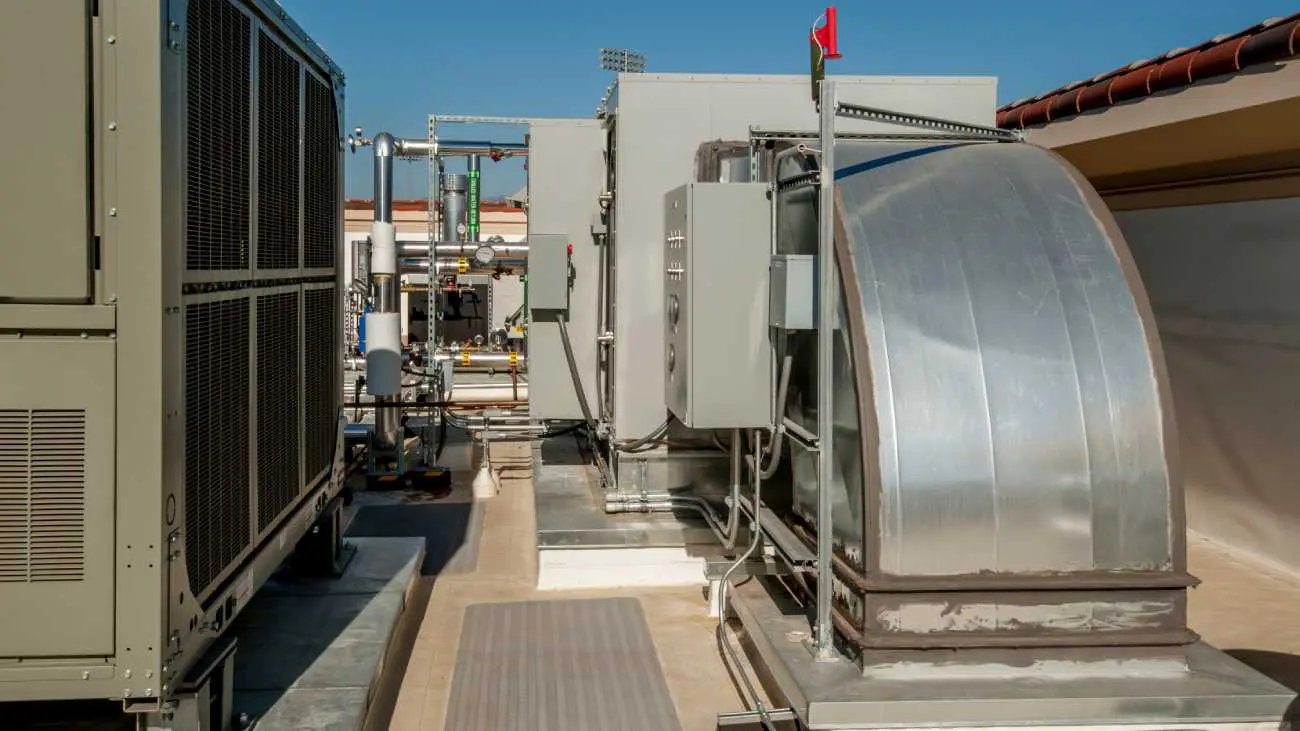
Unexpected surges in monthly energy expenses typically stem from compromised thermal exchange inside the cooling infrastructure. As circulating air passes through dirty evaporator coils, dust, dirt, and biological films settle on critical heat exchange surfaces. This blanket of grime acts as an insulator, forcing the compressor and blower fans to draw far more electricity to maintain thermostat settings.
Thorough mechanical cleaning eliminates these internal airflow bottlenecks. Building managers request air conditioning filter cleaning; FL commercial spaces need to maintain proper airflow across sensitive evaporators. During routine service, technicians wash or replace air filters, clean condenser coil surfaces, and scrub the interior of condenser cabinets. Removing grime restores thermal conductivity, enabling motor units to pull normal amperage while keeping monthly energy costs within expected ranges.
What Triggers Indoor Air Contamination in Commercial Buildings?
Modern commercial facilities are tightly sealed to maximize energy retention, but restricted ventilation often traps airborne contaminants indoors. Spores, volatile organic compounds, and micro-particles accumulate inside air handlers and distribution ducts when ventilation gear falters. When ambient humidity mixes with dust deposits inside dark air handling chambers, mold colonies flourish and distribute spores throughout the workplace.
Eradicating indoor air contamination demands a methodical inspection of the facility’s air distribution network. Property managers schedule commercial indoor air quality testing to uncover hidden pollution sources across their properties. Technicians perform a full visual inspection of the air handler, clean internal cabinet surfaces, and ensure fresh air intake mechanisms operate properly. Removing internal contaminants safeguards workforce health and eliminates respiratory hazards in the workplace.
How Do Small Refrigerant Leaks Cause Major Compressor Failures?
Refrigerant serves as the essential heat-transfer fluid within commercial cooling systems. Minor equipment vibrations or copper pipe corrosion can create tiny micro-fissures that allow refrigerant to escape gradually over time. Operating cooling equipment with insufficient refrigerant forces the compressor to work under extreme pressure and heat, ultimately causing internal mechanical failure.
Detecting early fluid loss shields expensive equipment from permanent destruction. During scheduled service visits, technicians perform a detailed refrigerant leak inspection on air handler assemblies and visually inspect the condenser for refrigerant leaks. Specialists inspect insulation on copper lines, verify refrigerant pressure readings, and level thermostat sensors to maintain balanced cooling cycles. Correcting low pressure early preserves efficient heat transfer and avoids premature system failure.
Comfort Zone of North Florida Inc. has protected the mechanical systems serving Yulee’s growing commercial sector. Schedule your quarterly maintenance plan today and safeguard your operations against the demands of the local climate.

Tags: