
The Importance of Professional HVAC Installation
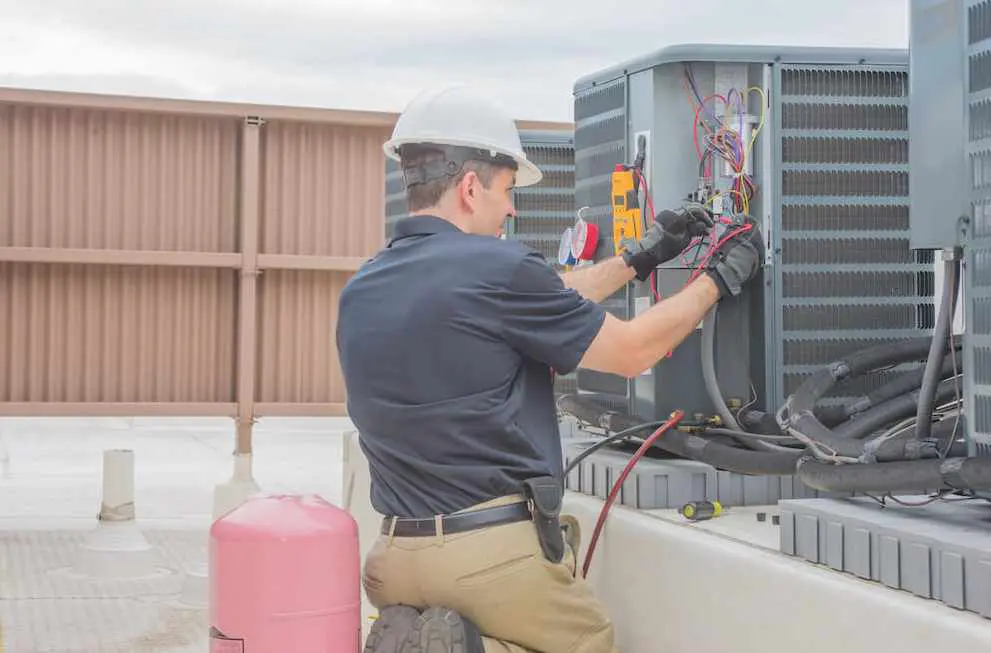
When it comes to your home’s heating and cooling system, proper installation is everything. Even the most advanced, highest-rated HVAC equipment will underperform, waste energy, and fail prematurely if it is not installed correctly. Unfortunately, many homeowners focus primarily on the brand or model of the equipment they are purchasing without giving enough thought to the quality of the installation itself. In the HVAC industry, the saying is well known: it is not just the equipment that matters—it is how it is installed.
For homeowners in Jacksonville, Yulee, and across Northeast Florida, understanding why professional HVAC installation matters can help you make better decisions when it is time to replace or upgrade your system.
Why Installation Quality Matters More Than You Think
A properly installed HVAC system operates at its rated efficiency, provides consistent comfort throughout your home, and lasts for its full expected lifespan. An improperly installed system, on the other hand, can result in reduced efficiency that increases your energy bills by as much as twenty to thirty percent. It can cause uneven heating and cooling with hot or cold spots in certain rooms, produce excessive noise during operation, lead to frequent breakdowns and costly repairs, and shorten the system’s lifespan by several years.
Studies have shown that a significant percentage of HVAC systems in American homes are either improperly sized, incorrectly charged with refrigerant, or connected to inadequately designed ductwork. Any of these issues can dramatically reduce system performance and increase your total cost of ownership.
The Risks of Improper Sizing
One of the most common installation mistakes is selecting a system that is the wrong size for the home. Many people assume that bigger is always better, but an oversized HVAC system can actually cause more problems than an undersized one.
An oversized system cools or heats the home too quickly, causing it to cycle on and off frequently. This short cycling prevents the system from running long enough to properly dehumidify the air—a critical concern in Florida’s humid climate. The result is a home that feels clammy and uncomfortable, even when the thermostat shows the desired temperature. Short cycling also puts extra wear and tear on the compressor and other components, leading to more frequent repairs and a shorter overall lifespan.
An undersized system, conversely, runs continuously without ever reaching the desired temperature, consuming excessive energy and straining every component in the process.
Professional HVAC technicians perform detailed load calculations based on your home’s square footage, insulation, window placement, ceiling height, and other factors to determine the correct system size for optimal performance and efficiency.
Refrigerant Charge and Airflow
Proper refrigerant charge is another critical factor that directly impacts your system’s efficiency and longevity. If the system is overcharged or undercharged with refrigerant during installation, it will not perform as designed. An incorrect charge can reduce efficiency, damage the compressor, and void your manufacturer warranty.
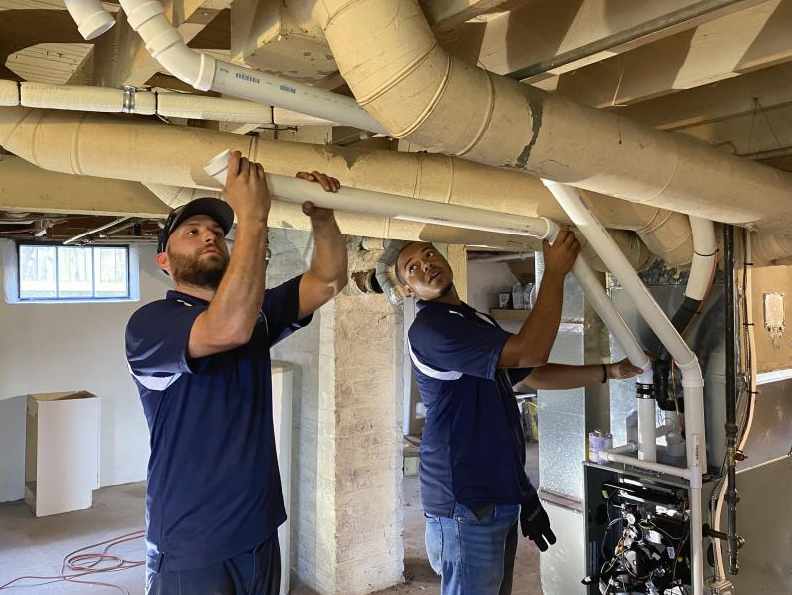
Similarly, proper airflow through the ductwork is essential for the system to deliver consistent comfort throughout your home. If the ductwork is not correctly sized, sealed, or balanced, you may experience hot and cold spots, excessive noise, or reduced efficiency.
Licensed HVAC professionals use specialized tools and testing procedures to verify refrigerant charge and airflow during installation, ensuring everything is within manufacturer specifications before the job is considered complete.
Code Compliance and Permits
In Florida, HVAC installations are required to meet specific building codes and energy standards. Professional HVAC companies obtain the necessary permits and schedule inspections to ensure the installation complies with all local and state regulations. This is important not only for safety but also for protecting your investment.
An installation performed without proper permits can create problems when you try to sell your home or file an insurance claim. It can also result in fines or the requirement to have the work redone to meet code standards.
Manufacturer Warranty Protection
Most HVAC manufacturers require that their equipment be installed by a licensed, certified professional in order for the warranty to remain valid. If you hire an unqualified installer or attempt a DIY installation, you risk voiding the warranty entirely—leaving you responsible for the full cost of any repairs or replacements that would otherwise be covered.
As a Carrier Factory Authorized Dealer, Comfort Zone of North Florida meets the highest standards of training, customer service, and installation quality, ensuring your warranty is fully protected from day one.
What to Look for in an HVAC Installer
When choosing an HVAC installer, look for a company that holds a valid state HVAC license, carries proper insurance and bonding, has a strong track record of positive customer reviews, performs detailed load calculations before recommending equipment, obtains all necessary permits and schedules inspections, and offers clear and transparent pricing with no hidden fees.
At Comfort Zone of North Florida, we check every one of these boxes and more. Our technicians are paid by the hour rather than on commission, which means you will never be pressured into purchasing equipment or services you do not need.
Invest in Quality Installation
Your HVAC system is one of the most important investments you will make in your home. Protecting that investment starts with choosing a qualified, experienced, and honest installer. At Comfort Zone of North Florida Inc., we are committed to delivering expert installations that maximize your system’s performance, efficiency, and lifespan.
Call us at (904) 406-0070 or visit our website to schedule a consultation and free estimate for your next HVAC installation. Your comfort starts with getting it installed right.

Tags: